Practical Guide to Selecting Batteries for Medical, Industrial, and Emergency Equipment
In modern portable equipment, the battery pack is no longer just a power source—it is a core system component that directly affects reliability, safety, and usability.
For applications such as medical devices, industrial detection instruments, and emergency rescue equipment, battery selection is especially critical.
Among various lithium-ion solutions, 18650 battery packs continue to be widely adopted due to their mature supply chain, flexible configuration, and proven stability. When combined with proper system design and quality control, they provide a dependable energy solution for demanding professional environments.
This article serves as a product selection and application guide for 18650 lithium-ion battery packs, with a focus on medical, industrial, and emergency handheld devices.
Why 18650 Battery Packs Remain a Preferred Choice
The 18650 cell has become an industry standard through long-term validation in real products. Its standardized size (18 mm × 65 mm) enables predictable electrical behavior, consistent mechanical integration, and long-term availability.
From a product selection perspective, 18650 battery packs offer several advantages that are particularly relevant for professional equipment:
- Stable and repeatable performance, suitable for regulated and safety-critical devices
- Flexible voltage and capacity design, supporting a wide range of system requirements
- High energy density, enabling compact and lightweight portable products
- Mature manufacturing processes, reducing quality and supply risks
For handheld and portable systems that must operate reliably in the field, these characteristics are often more important than adopting the newest cell format.
Understanding 18650 Battery Pack Configurations
An 18650 battery pack is built by connecting multiple cells in series (S) and parallel (P) arrangements:
- Series connections increase the system voltage
- Parallel connections increase capacity and runtime
For example:
- A 3S configuration is commonly used in ~11.1 V systems
- A 4S or 5S pack supports higher-power medical or industrial loads
- Parallel configurations extend operating time without increasing voltage
For product teams, the key is not the configuration itself, but how it aligns with:
- Device operating voltage and power consumption
- Continuous and peak current requirements
- Expected runtime per charge
- Weight, size, and ergonomics of handheld equipment
This is why off-the-shelf battery packs often fall short—and why custom 18650 battery packs are widely used in professional devices.
Application Scenarios: Where 18650 Battery Packs Excel
Medical Devices
In medical equipment, battery performance directly affects patient safety and clinical effectiveness.
Devices such as ventilators, oxygen concentrators, portable monitors, and diagnostic tools require batteries that deliver stable output, predictable runtime, and safe operation.
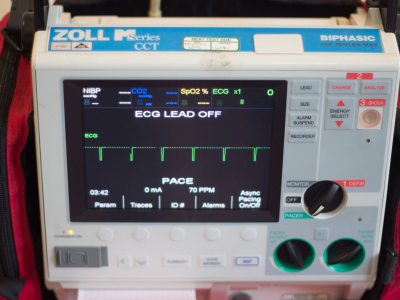
M5D83B Zoll CCT Defibrillator equipment in red carrying case for cardiac arrest, ECG, AED
18650 battery packs are well suited for medical devices because they allow:
- Accurate power budgeting for continuous operation
- Integration of protection and monitoring logic
- Consistent behavior across production batches
For portable and bedside medical equipment, reliability often matters more than maximum energy density.
Industrial Detection and Measurement Instruments
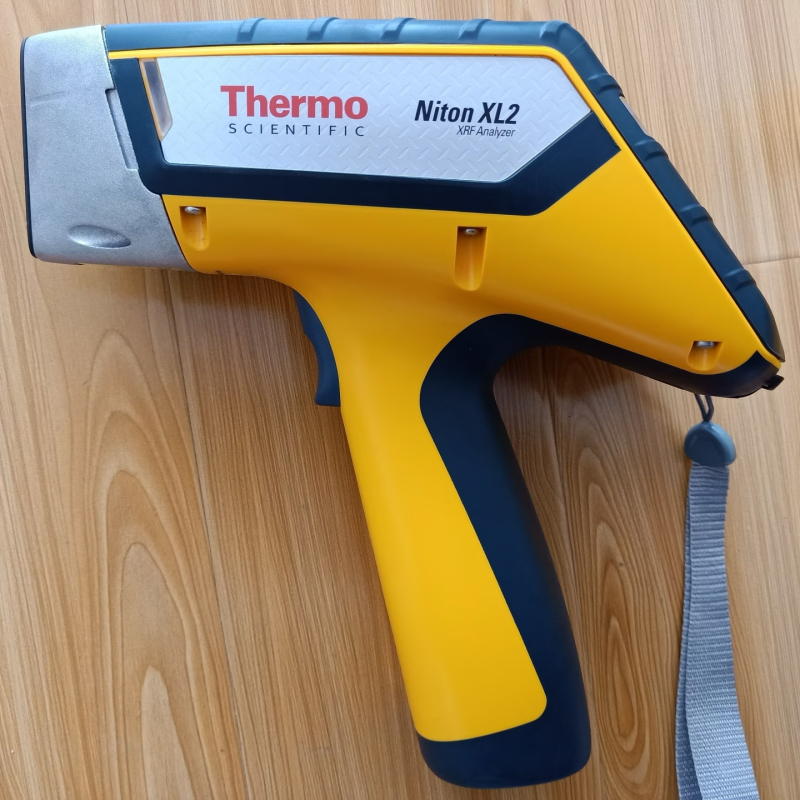
Industrial instruments such as spectrometers, scanners, analyzers, and detection equipment are often used in harsh or remote environments.
These devices demand batteries that can handle:
- Long operating hours
- Variable load profiles
- Frequent charging and discharging cycles
18650 battery packs offer a robust solution by combining mechanical durability, scalable capacity, and predictable electrical characteristics, making them a practical choice for industrial field instruments.
Emergency Rescue and Safety Equipment
In emergency rescue and disaster response scenarios, battery failure is not an option.
Handheld devices such as life detectors, portable scanners, emergency communication tools, and rescue instruments must operate reliably under stress, low temperatures, or extended standby periods.
Custom 18650 battery packs support these use cases by enabling:
- Controlled discharge behavior
- Stable output under high load
- Design optimization for portability and fast deployment
For emergency equipment, battery reliability directly translates into operational readiness.
Why Custom 18650 Battery Packs Are Essential
While standard battery packs may work for consumer products, professional equipment often has stricter requirements. Common challenges include:
- Mismatch between nominal voltage and actual system needs
- Insufficient runtime for field operations
- Mechanical incompatibility with compact housings
- Limited safety protection under abnormal conditions
A custom 18650 battery pack allows manufacturers to align the battery design with the device itself, rather than forcing compromises at the system level.
Typical customization includes:
- Optimized voltage and capacity configuration
- Integrated BMS (Battery Management System)
- Customized connectors, wiring, and enclosure design
- Support for testing, traceability, and compliance requirements
This approach significantly reduces integration risk during product development and mass production.
Tefoo-Energy’s 18650 Battery Pack Solutions for Professional Devices
Tefoo-Energy specializes in custom 18650 lithium-ion battery pack solutions for medical devices, industrial detection instruments, and emergency rescue equipment.

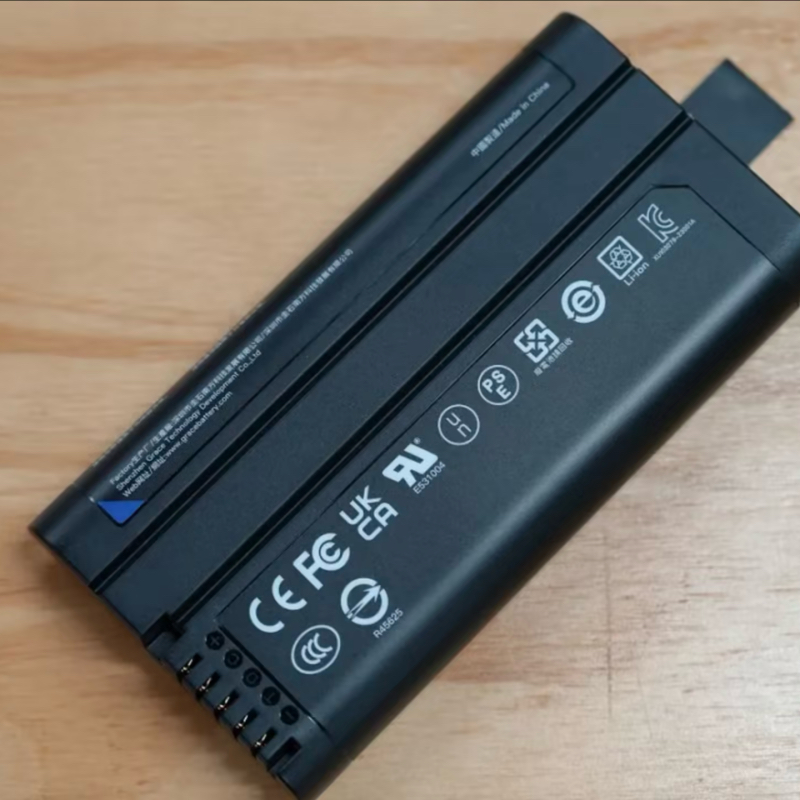
Removable battery compatible with SMBus V1.1
Rather than treating the battery as a standalone component, Tefoo-Energy designs battery packs as part of the complete system, with a strong focus on real application scenarios such as:
- Ventilators and oxygen concentrators
- Portable spectrometers and scanners
- Life detection and emergency handheld equipment
Key characteristics of Tefoo-Energy’s solutions include:
- Application-driven design, matching electrical, mechanical, and runtime requirements
- Stable cell selection and matching, supporting consistent long-term performance
- Integrated protection and monitoring, enhancing system safety and predictability
- Manufacturing consistency, enabling smooth transition from prototype to mass production
For OEMs developing professional portable devices, this system-level approach helps shorten development cycles and improve product reliability.
Safety and Reliability Considerations
For medical, industrial, and emergency equipment, safety is not optional. A well-designed 18650 battery pack typically includes protection against:
- Over-charge and over-discharge
- Over-current and short circuit
- Over-temperature
Equally important are manufacturing processes such as cell matching, welding quality control, aging tests, and final inspection.
In many professional applications, these factors have a greater impact on long-term performance than headline capacity specifications.
How to Choose the Right 18650 Battery Pack
When selecting a battery solution for professional devices, product teams should evaluate:
- Operating voltage and load characteristics
- Required runtime and charging strategy
- Mechanical integration and portability
- Safety, reliability, and lifecycle expectations
- Supplier experience in regulated or mission-critical applications
Working with a supplier that understands both battery technology and real-world application constraints often leads to better outcomes than choosing a generic solution.
Conclusion
18650 lithium-ion battery packs remain a practical, reliable, and flexible energy solution for a wide range of professional devices.
In fields such as medical equipment, industrial detection, and emergency rescue, their proven performance and adaptability make them particularly valuable.
For manufacturers, success lies not just in selecting an 18650 battery pack—but in choosing a customized, application-focused solution that supports safety, reliability, and long-term product success.