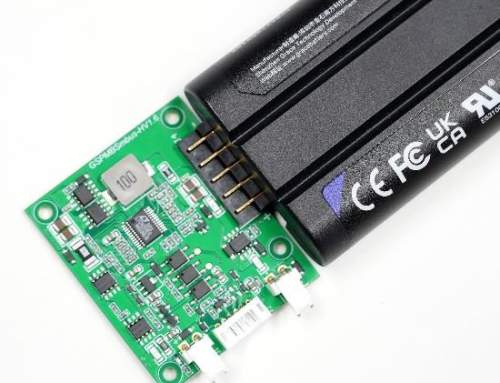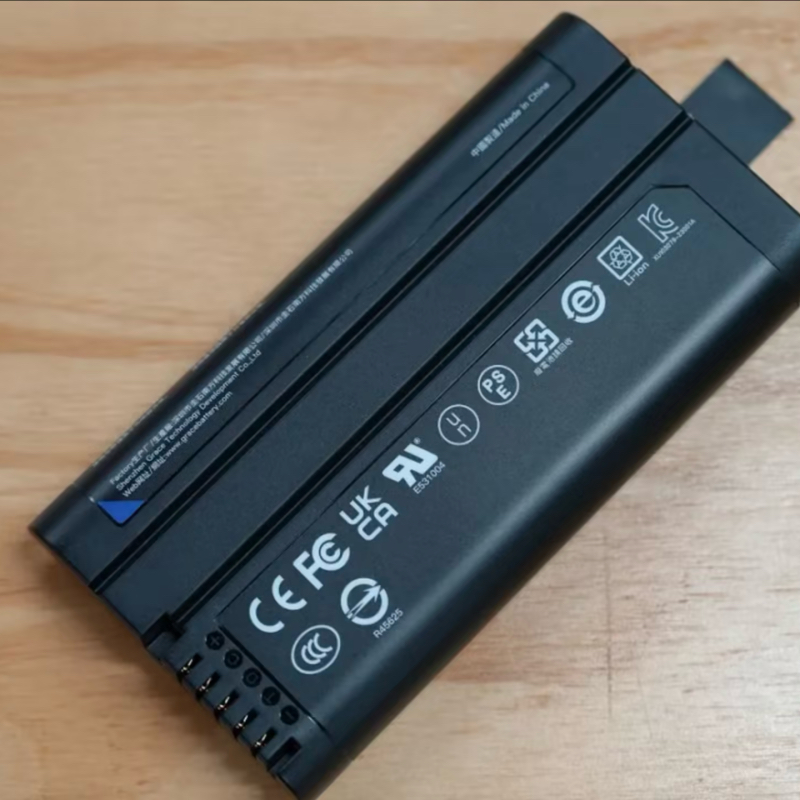
What is Smart Battery?
Why Smart Batteries Must Be Understandable and Interchangeable
In the world of embedded systems and power management, batteries are often treated as a black-box power source. But as systems become more complex, and power management increasingly integrates with broader system operations, understanding and controlling the battery becomes a critical part of the overall system design.
When it comes to battery-powered devices, the concept of a “smart battery” is essential.
This article will explore what makes a battery “smart”, why smart batteries are critical for reliable system operation, and how they interface with power management systems, particularly through the SMBus and Smart Battery specifications.
1. Why “Smart” Batteries Are Different from Traditional Batteries
Traditionally, batteries were treated as simple power sources—provide voltage, store energy, and discharge. Systems did not interact deeply with the battery beyond reading basic parameters like voltage or remaining charge.
However, with modern devices such as laptops, tablets, power tools, and electric vehicles becoming more power-dependent, the simple on/off model of a battery is no longer sufficient. To provide greater reliability, longer battery life, and better system performance, smart batteries were introduced.
So, what exactly makes a battery “smart”?
The key difference lies in the ability to communicate with the system—allowing the system to understand and manage the battery’s health, capacity, and operational parameters in real-time. This is where SMBus and Smart Battery Specifications come into play.
2. What Makes a Battery “Smart”?
A Smart Battery is a battery that is designed to not only store and supply energy but also to communicate with the host system and provide important data about its health and status. The key features that define a smart battery include:
1️⃣ Battery Status Reporting
Smart batteries report their State of Charge (SoC), which is the remaining battery capacity in percentage terms. Additionally, they provide information on State of Health (SoH), which indicates the overall condition of the battery and whether it can still hold charge efficiently.
2️⃣ Communication with the System
Smart batteries use a communication protocol, such as SMBus or I²C, to provide status updates, error reports, and other data to the host system. This is crucial because it allows the system to make decisions about battery usage, such as whether it should enter power-saving modes, whether a recharge is needed, or if the battery is in an unhealthy state.
3️⃣ Temperature, Voltage, and Current Monitoring
Smart batteries constantly monitor their internal temperature, voltage, and current to ensure they are operating within safe limits. This data is critical to prevent dangerous situations such as overcharging, overheating, or deep discharge, all of which can shorten the battery’s lifespan or cause safety hazards.
4️⃣ Charging and Discharging Control
Smart batteries are capable of controlling the charging and discharging cycles intelligently. They can adjust charging rates based on real-time data and ensure that safe charging profiles are followed.
3. Smart Battery Communication Protocol: The Role of SMBus
The SMBus specification, which we discussed in detail in the previous article, provides the communication framework that allows smart batteries to communicate with the system. Specifically, SMBus allows for:
1️⃣ Standardized Battery Data Models
The Smart Battery Specification (SBS) defines a standard set of parameters that every smart battery must report to the system. This includes:
-
State of Charge (SoC)
-
State of Health (SoH)
-
Cycle Count
-
Remaining Capacity
-
Voltage, Temperature, Current
-
Charge/Discharge Rates
This standardization ensures that batteries from different manufacturers provide the same data in the same format, making it possible for system software to interact with any compliant smart battery without modifications.
2️⃣ Fault Reporting and Recovery
SMBus-enabled smart batteries provide real-time updates about battery health and operational status, such as over-voltage, over-temperature, or over-current conditions. If the battery encounters an error or is running out of capacity, the host system is alerted, and actions can be taken immediately to avoid damage or failure.
In this way, SMBus helps ensure that the system can respond intelligently to changes in the battery’s state.
3️⃣ Remote Configuration and Monitoring
SMBus allows for remote configuration and monitoring of battery parameters. This is particularly useful in industrial, server, or fleet management systems where multiple batteries need to be monitored and managed from a central location.
For example, the system might read and adjust the charge profiles of the battery based on environmental conditions or update firmware to optimize battery performance.
4. How Smart Batteries Improve System Reliability and Longevity
The advantages of using smart batteries go beyond just providing power. They enable better energy management and improve the overall reliability and longevity of the system. Here’s how:
1️⃣ Preventing Overcharging and Deep Discharge
By continuously monitoring the battery’s voltage and current, a smart battery can prevent overcharging and deep discharge, both of which are harmful to battery health. Overcharging can cause heat buildup, leading to battery degradation, while deep discharge can cause the battery to fail prematurely.
2️⃣ Extending Battery Life
Because smart batteries continuously monitor their State of Health (SoH), they can intelligently adjust charging cycles and discharge limits, helping to extend the overall lifespan of the battery.
3️⃣ Efficient Power Management
With a smart battery’s ability to provide real-time data on its remaining capacity, temperature, and voltage, the system can manage its power usage more efficiently. This includes entering power-saving modes when the battery is low, ensuring the system remains operational for as long as possible.
5. Smart Battery in Modern Systems
Smart batteries are used in a wide range of applications across various industries. Below are some examples of how they are integrated into modern systems:
1️⃣ Portable Consumer Electronics (Laptops, Smartphones)
In devices like laptops and smartphones, smart batteries are critical for tracking battery life, ensuring safe charging, and providing real-time data about the battery’s health. With the help of SMBus, users can see accurate data on how much charge is left, whether the battery needs replacing, and more.
2️⃣ Electric Vehicles (EVs)
Smart batteries are essential for electric vehicles, where efficient energy management is critical. The battery management system (BMS) monitors the voltage, current, and temperature to ensure safe operation while providing charge/discharge profiles. Smart batteries help optimize the range and longevity of electric vehicle batteries.
3️⃣ Industrial and Medical Devices
In industrial and medical devices, reliability is paramount. Smart batteries allow for remote monitoring and diagnostics, ensuring that critical systems stay operational even in the event of battery failure. They also enable predictive maintenance by providing accurate health data, helping to prevent unexpected downtimes.
6. Tefoo-Energy’s Smart Battery Solutions
As smart battery adoption increases across industries, having reliable, scalable, and cost-effective solutions becomes crucial. Tefoo-Energy, a leading provider of battery management solutions, offers SMBus-compliant smart batteries specifically designed for OEMs (Original Equipment Manufacturers) in source device production.
Tefoo-Energy’s smart battery solutions are engineered with the following key benefits:
-
Full SMBus Compliance: Tefoo-Energy’s batteries fully comply with the SMBus and Smart Battery Specifications, ensuring seamless integration with power management systems and consistent behavior across different platforms.
-
Enhanced Communication: Real-time data exchange through SMBus enables continuous monitoring of critical parameters like State of Charge, temperature, and cycle count, empowering manufacturers to maintain battery health and optimize device performance.
-
Extended Battery Lifespan: Through advanced charging and discharging control and real-time health monitoring, Tefoo-Energy’s smart batteries significantly extend the overall lifespan of devices and reduce the risk of premature battery failure.
-
Remote Management: Tefoo-Energy’s solutions also support remote configuration and battery management, making it easier for OEMs to integrate, manage, and replace batteries at scale.
For OEMs looking for a reliable, cost-effective smart battery solution, Tefoo-Energy offers industry-leading technologies designed to maximize performance while ensuring compliance with all relevant standards.
7. Smart Battery vs. Traditional Battery: Key Differences
Here’s a quick comparison between a traditional battery and a smart battery:
| Feature | Traditional Battery | Smart Battery |
|---|---|---|
| Communication | None | Yes (SMBus, I²C) |
| State of Charge (SoC) | Not reported | Real-time reporting |
| State of Health (SoH) | Not monitored | Continuous health monitoring |
| Error Reporting | None | Over-voltage, over-temperature alerts |
| Cycle Count | Not tracked | Tracked and reported |
| Remote Configuration | Not possible | Yes |
Frequently Asked Questions (FAQ)
Q1: How do smart batteries communicate with the system?
A1: Smart batteries communicate via SMBus or I²C, allowing them to report important parameters such as State of Charge (SoC), State of Health (SoH), temperature, voltage, and more.
Q2: What is the role of the SMBus in a smart battery?
A2: SMBus allows the battery to communicate with the host system, providing real-time data and enabling the system to monitor and manage the battery’s health, capacity, and other parameters.
Q3: Can I use any battery in a device that supports smart batteries?
A3: No. Only batteries that adhere to the Smart Battery Specification (SBS) and SMBus will be compatible with devices designed to manage smart batteries.
Q4: Why is the State of Health (SoH) important in a smart battery?
A4: SoH indicates the overall health of the battery, helping the system to predict when the battery might need replacement and avoid unexpected failures.
Q5: Are smart batteries only used in consumer electronics?
A5: No. Smart batteries are used in a wide range of applications, including electric vehicles, industrial equipment, medical devices, and renewable energy systems.
References
- SMBus Specification
https://www.smbus.org/specs/ -
NXP I²C-bus Specification and User Manual (UM10204)
https://www.nxp.com/docs/en/user-guide/UM10204.pdf - Texas Instruments – SMBus Compatibility with I²C Devices
https://www.ti.com/lit/an/slva704/slva704.pdf