Why B2B Systems Choose Customized 18650 Lithium-Ion Battery Packs?
A Decision-Oriented Perspective from Tefoo Energy
In B2B product development, batteries are rarely a differentiating feature on paper, yet they are often the single component that determines whether a system can be launched, certified, scaled, and supported over time. For product managers, procurement teams, system integrators, and engineers without a pure battery background, the real challenge is not selecting a battery with impressive specifications, but choosing one that behaves predictably inside a complex system.
This is precisely why customized 18650 lithium-ion battery packs have become the default choice for many professional applications—and why Tefoo Energy approaches battery design as a system decision rather than a component sale.
From “Battery Selection” to “System Commitment”
In consumer products, standardized battery packs are often sufficient. In B2B environments, however, a battery is a long-term commitment. It must align with regulatory requirements, system architecture, operating conditions, safety expectations, and supply continuity—all at once.
Tefoo Energy’s 18650 battery packs are designed with this reality in mind. Instead of forcing customers to adapt their systems around an off-the-shelf battery, the battery itself is configured to fit naturally into the product’s lifecycle, usage profile, and compliance roadmap.
Why 18650 Remains the Most Rational Choice for B2B Systems
While newer cell formats continue to emerge, 18650 remains the most widely adopted format in professional systems for one reason: engineering certainty. Its mechanical dimensions, electrical behavior, aging characteristics, and global availability are thoroughly understood across industries.
By using Panasonic 18650 cells, Tefoo Energy leverages one of the highest energy-density and most stable cell platforms available on the market today. This choice is not driven by novelty, but by consistency—an essential requirement in industrial, medical, and mission-critical applications where power delivery must remain reliable across years of operation.
Safety and Compliance as a Design Baseline, Not an Afterthought
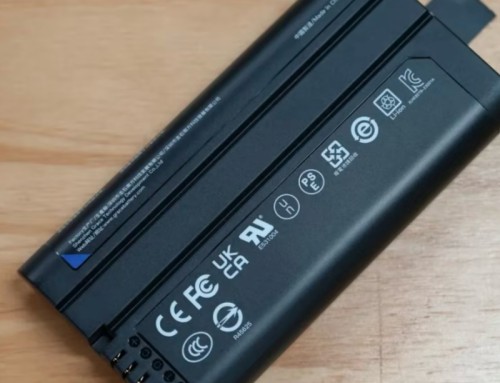
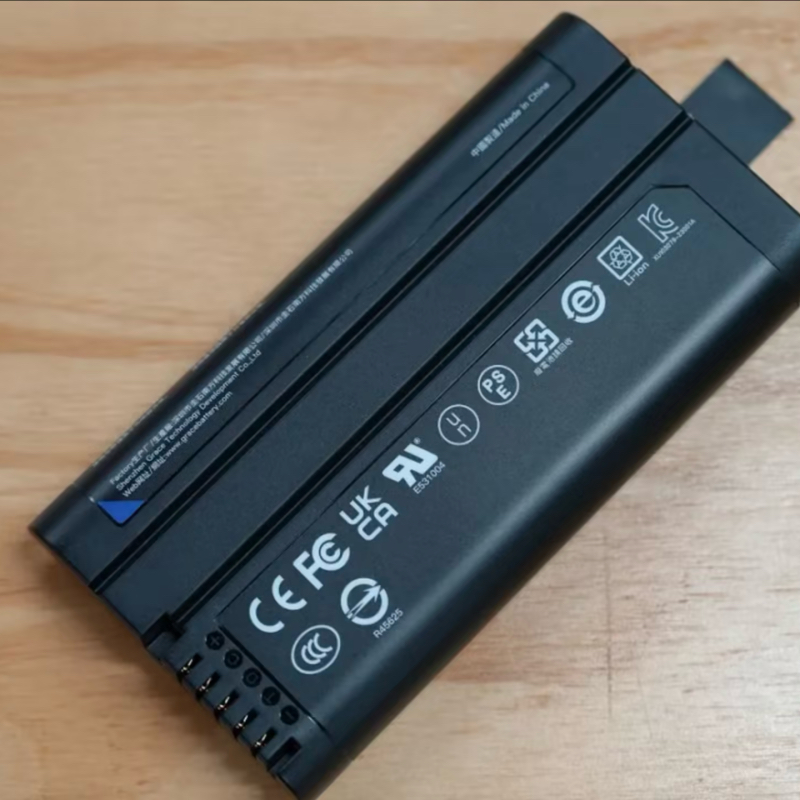
In B2B projects, compliance is not optional, and safety is not a feature to be added later. Tefoo Energy’s lithium-ion battery packs are designed to meet CCC certification requirements, along with internationally recognized safety standards such as IEC 62133 and UN 38.3, enabling deployment across global markets without redesign.
Beyond certification, the battery architecture integrates comprehensive safety protection mechanisms including overcharge, over-discharge, overcurrent, overtemperature, and short-circuit protection. Multiple layers of safety redundancy ensure that no single failure mode compromises system integrity.
For customers, this translates into reduced regulatory uncertainty, faster approval cycles, and lower long-term liability exposure.
Predictable Behavior Through System-Level Communication
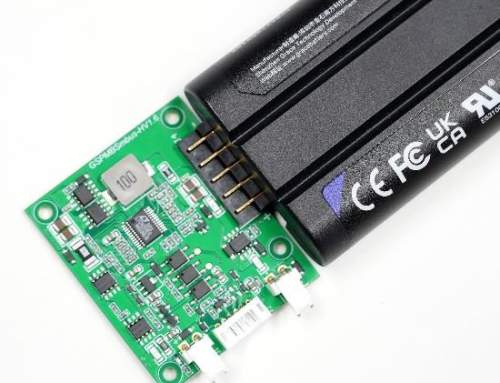
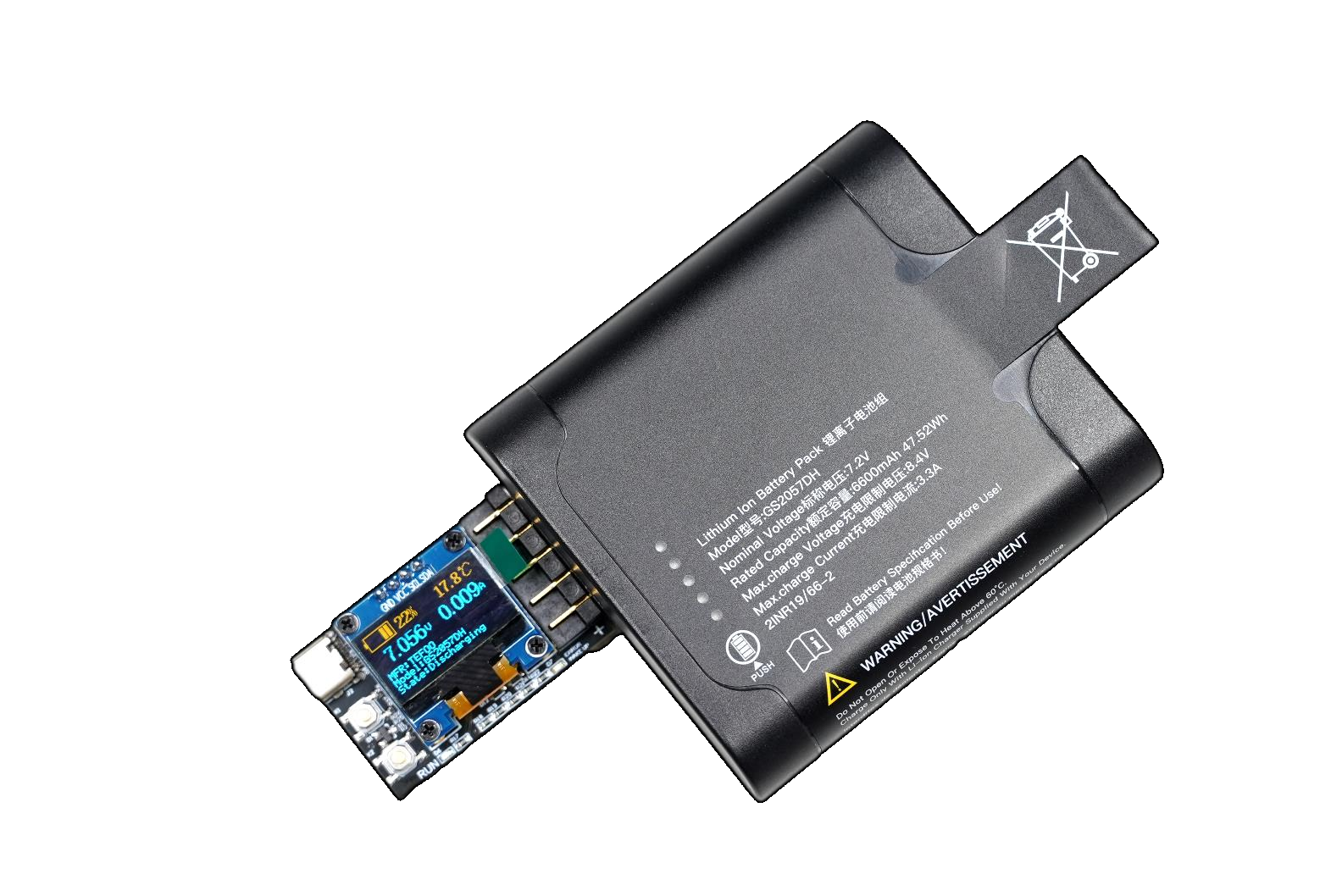
One of the most common pain points for system integrators is the lack of visibility into battery behavior once the product is deployed. Tefoo Energy addresses this by integrating a standard SMBus v1.1 interface, allowing the host system to monitor battery status, temperature, and operational parameters in real time.
A high-precision fuel gauge provides accurate state-of-charge information, while an integrated LED SOC indicator offers immediate visual feedback during installation, maintenance, or diagnostics. This level of transparency significantly simplifies system integration and reduces troubleshooting time in the field.

Optimized Charging and Extended Battery Life
Battery longevity is not determined solely by cell quality, but by how charging behavior is managed throughout the product lifecycle. Tefoo Energy applies JEITA charging optimization rules, dynamically adjusting charging parameters based on temperature conditions to protect the cells and maintain performance.
An integrated balancing function ensures uniform cell behavior within the pack, effectively extending usable battery life. As a result, the battery retains up to 80% of its initial capacity after 500 cycles, supporting predictable maintenance schedules and lower total cost of ownership.
Designed for Real-World Deployment and Maintenance
In professional systems, batteries are not always sealed away permanently. Tefoo Energy incorporates a finger-type metal interface and easy-to-disassemble design, allowing for efficient servicing or replacement when required. This design philosophy reflects a practical understanding of how products are installed, maintained, and upgraded in real environments.
The construction emphasizes high reliability, consistent power delivery, and clear power visualization—critical factors in applications such as medical devices, where uninterrupted operation is non-negotiable.
Supply Stability Without Hidden Barriers
Many B2B projects fail not because of technical issues, but because of supply constraints introduced late in the development cycle. Tefoo Energy eliminates these risks by offering no minimum order quantity, available stock, and no development, mold, or certification fees.
This approach allows customers to move from prototyping to production without artificial thresholds, making the battery solution scalable from pilot projects to full deployment.
Application Example: Medical and Implantable Systems
In medical applications, such as implantable or life-support-related systems, reliability and safety are paramount. Consistent power delivery, strict adherence to global safety standards, and compatibility with specialized system architectures define the minimum acceptable baseline.
Tefoo Energy’s 18650 battery solutions are engineered specifically for such critical environments, where system failure is not an option and long-term stability is a core requirement rather than a performance metric.
Why Tefoo Energy
Tefoo Energy positions itself not as a battery supplier, but as a long-term B2B energy partner. By combining certified safety, Panasonic cell quality, intelligent system interfaces, and supply flexibility, the company enables customers to focus on building successful products rather than managing battery risk.
Ultimately, customization is not an additional burden, but rather makes the battery “exist just right within the system.”
FAQ (Engineering & Decision-Oriented)
Q1: Does customization increase project risk or complexity?
On the contrary, customization reduces risk by aligning the battery’s behavior with actual system usage, avoiding late-stage redesigns and field failures.
Q2: How does SMBus integration benefit non-battery engineers?
It provides standardized, readable battery data directly to the host system, eliminating guesswork and simplifying integration.
Q3: Are certifications a bottleneck for global deployment?
No. With CCC, IEC 62133, and UN 38.3 already addressed at the battery level, certification paths become clearer and faster.
Q4: How is long-term reliability ensured?
Through Panasonic cells, JEITA-compliant charging, cell balancing, and multi-layer safety redundancy, ensuring stable performance over hundreds of cycles.
Q5: Is this solution suitable for both small and large projects?
Yes. With no MOQ and available stock, the same battery platform supports prototypes, pilots, and large-scale deployment seamlessly.