Introduction
For OEM manufacturers developing industrial, medical, or professional equipment, battery packs are rarely a neutral component choice. Unlike many electronic parts that can be replaced late in the design cycle, battery packs interact with system architecture, safety strategy, regulatory compliance, and long-term supply planning from the earliest stages of development.
In practice, many development risks associated with battery packs do not originate from obvious failures, but from underestimated system-level constraints. These risks often surface late, when enclosure design, certification planning, or pilot production is already underway. At that point, design changes become costly and disruptive.

This is one of the main reasons why an increasing number of OEM teams adopt standardized smart battery packs during early development. The motivation is not cost optimization at the unit level, but risk reduction across engineering, compliance, and lifecycle management.
Battery Packs as a System-Level Risk Factor
From an engineering standpoint, a battery pack is not an isolated energy source. It directly influences power stability, thermal behavior, charging architecture, protection logic, and transportation compliance. Any mismatch between battery behavior and system assumptions can propagate through the entire product design.
For example, voltage instability under peak load may compromise measurement accuracy in instrumentation devices. Thermal behavior may affect enclosure design or derating strategies. Charging behavior influences power adapter selection and firmware logic. Regulatory requirements, such as transportation safety or battery-specific standards, can impose constraints that extend beyond the battery itself.

Because these interactions span multiple subsystems, battery-related risks are often discovered only after prototypes are assembled or compliance testing begins. At that stage, even minor changes to battery configuration may trigger redesign cycles or retesting, significantly extending development timelines.
What “Standardized Smart Battery Pack” Means in Practice
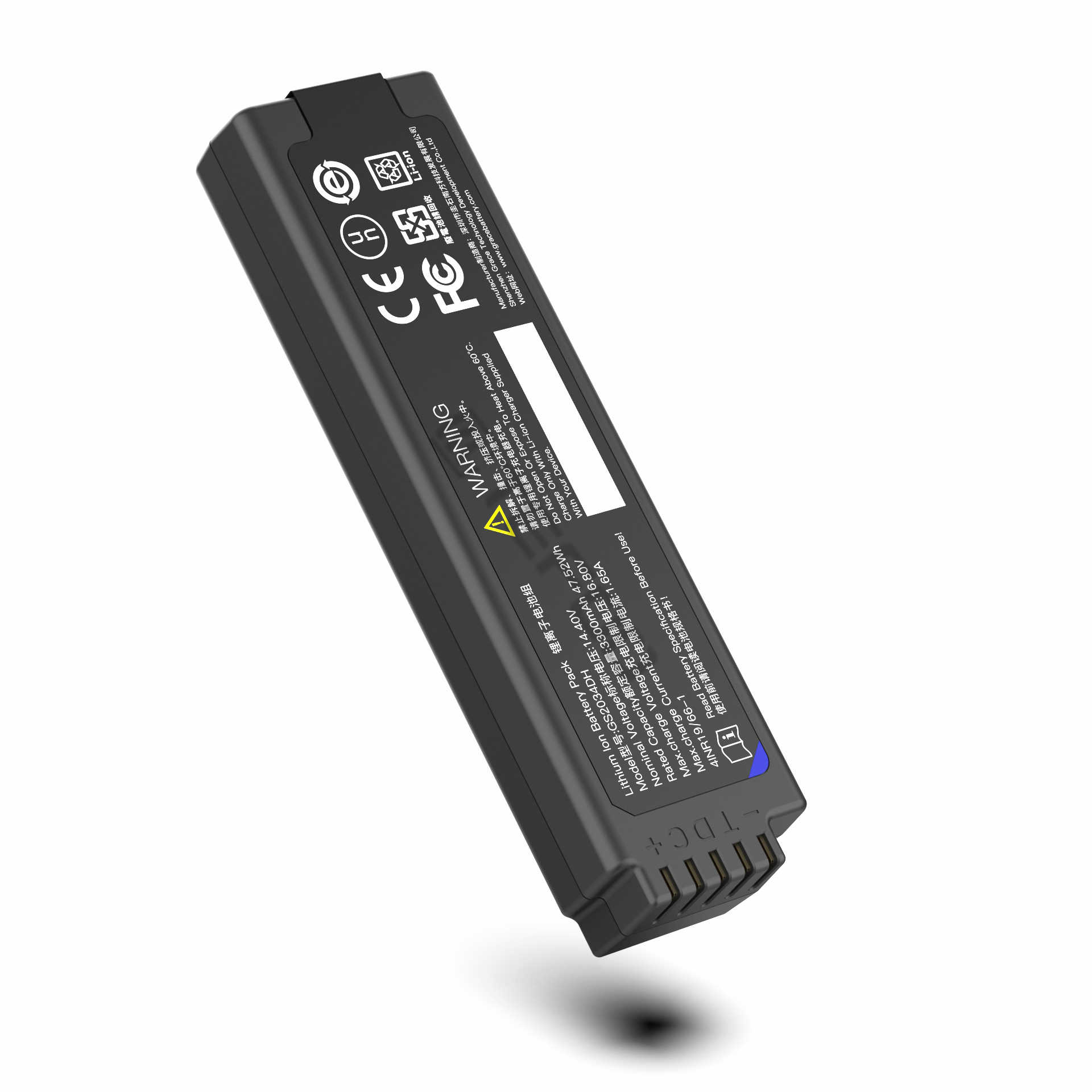
A standardized smart battery pack should not be confused with a generic off-the-shelf component. From an engineering perspective, standardization refers to a battery architecture that has already been validated across multiple applications, with defined electrical behavior, mechanical boundaries, and compliance scope.
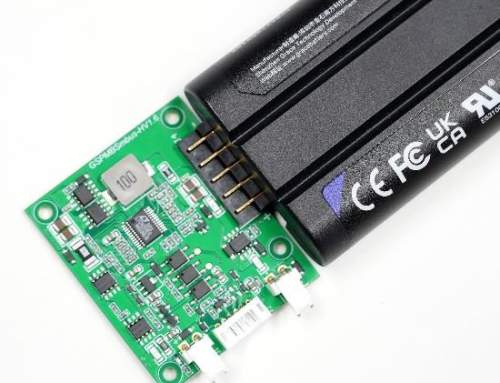
Such battery packs typically integrate protection circuitry, state-of-charge monitoring, and standardized communication interfaces. Their charging behavior, discharge characteristics, and safety responses are well documented and repeatable. More importantly, their limitations are known, which is often more valuable than nominal performance specifications.
For OEM teams, this predictability forms the basis for informed design decisions. Instead of validating fundamental battery behavior from scratch, engineers can focus on system integration and application-specific optimization.
Reducing Uncertainty During Early Development
Early-stage development is characterized by incomplete information. Power consumption profiles may still be evolving, enclosure geometry may not be finalized, and regulatory pathways may be under discussion. In such conditions, introducing a fully custom battery design adds an additional layer of uncertainty.
Standardized smart battery packs reduce this uncertainty by providing a stable reference point. Engineers can evaluate real-world discharge behavior, validate mechanical layout assumptions, and test charging strategies without waiting for custom tooling or bespoke validation processes. This allows design risks to be identified earlier, when mitigation options are still flexible.
As a result, development iterations become more controlled, and engineering resources can be allocated to core system challenges rather than foundational power validation.
Regulatory and Compliance Implications
Battery-related compliance is frequently underestimated during early product planning. Even when the end device itself is not subject to strict regulatory frameworks, battery packs often require transportation safety testing and compliance with international battery standards.
Standardized battery packs typically come with an established compliance baseline. Test reports, certification scope, and usage boundaries are already defined, allowing OEM teams to integrate battery compliance into their overall regulatory strategy at an early stage. This reduces the likelihood of late-stage surprises, such as unexpected test failures or documentation gaps.
From an engineering management perspective, this predictability simplifies coordination between design, quality, and regulatory teams.
Supply Stability and Product Lifecycle Considerations
Many professional devices are designed for long production lifecycles. In such cases, battery availability and revision control become strategic concerns. Custom battery designs may depend on specific cell types or suppliers, increasing the risk of obsolescence or forced redesigns.
Standardized battery platforms are typically developed with long-term availability in mind. Cell sourcing strategies, backward-compatible revisions, and controlled design changes help ensure continuity over extended production periods. For OEM teams, this reduces the likelihood of mid-lifecycle requalification or system redesign driven by battery changes.
Cost Considerations Beyond Unit Price
While custom battery designs may appear attractive from a unit cost perspective, development cost should be evaluated holistically. Engineering time, validation effort, compliance testing, and risk mitigation all contribute to the total cost of ownership.
Standardized smart battery packs often reduce indirect costs by shortening development cycles, minimizing redesigns, and lowering compliance-related expenses. For many OEM projects, these savings outweigh potential differences in component pricing.
The table below illustrates how development risk typically differs between standardized and fully custom battery approaches:
| Aspect | Standardized Smart Battery Pack | Fully Custom Battery Pack |
|---|---|---|
| Early-stage validation | Predictable, reference-based | Requires full validation |
| Compliance readiness | Established baseline | Project-specific |
| Development iterations | Fewer, controlled | Often multiple |
| Lifecycle stability | Planned for long-term | Dependent on design choices |
When Custom Battery Solutions Are Still Justified
Standardization does not eliminate the need for custom battery solutions. Applications with strict space constraints, unique mechanical integration requirements, or specialized regulatory targets may require a tailored approach.
In such cases, standardized battery packs often serve as an initial reference. OEM teams can validate system behavior using a standardized solution before committing to custom development, thereby reducing uncertainty and clarifying design requirements.
Conclusion
From an engineering perspective, battery selection is a strategic decision that influences development risk far beyond the power subsystem. Standardized smart battery packs provide OEM teams with predictable behavior, established compliance foundations, and stable supply strategies, all of which contribute to reduced development risk.
By minimizing uncertainty at the battery level, engineering teams can focus on system differentiation and application-specific innovation, where their expertise delivers the greatest value.
Engineering Support
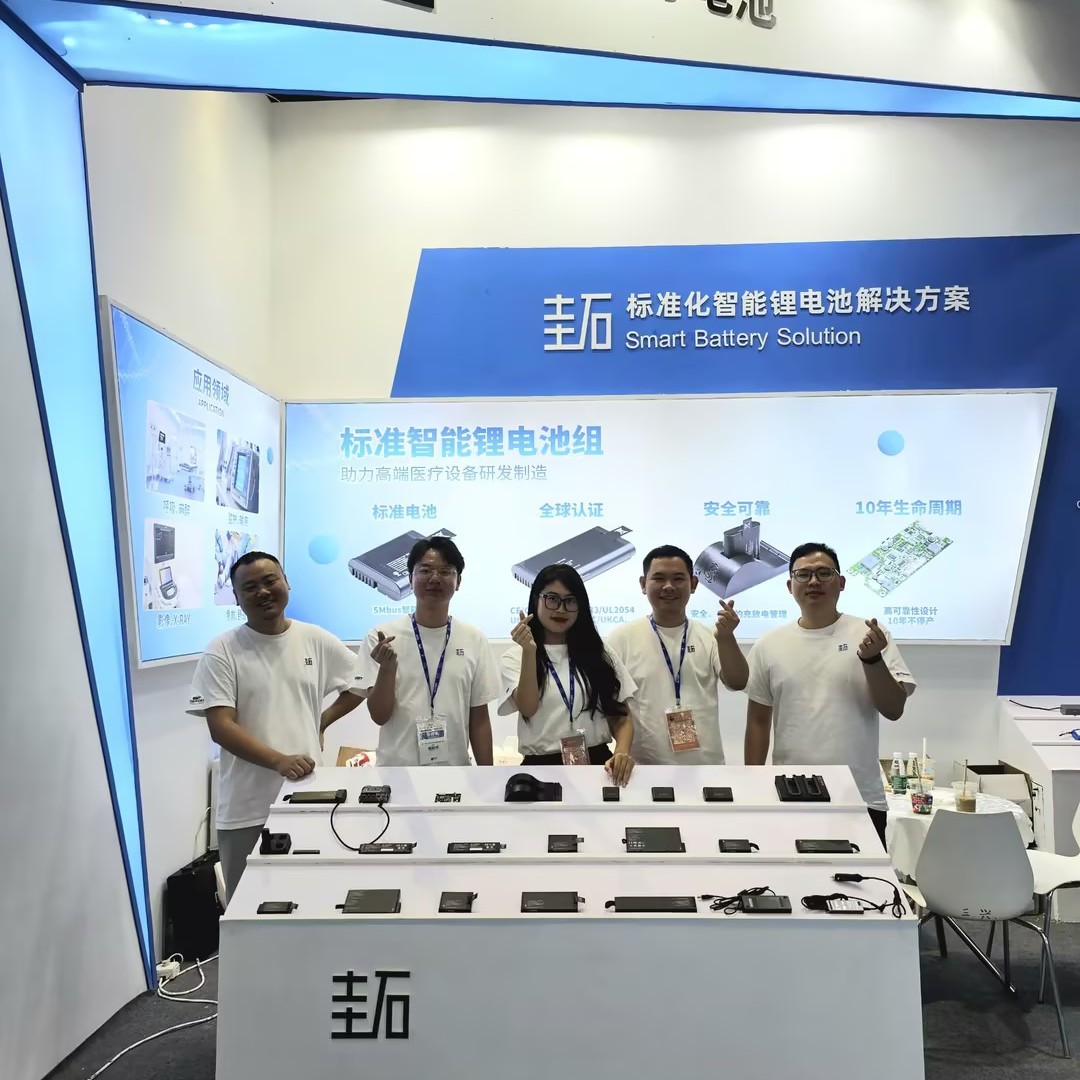
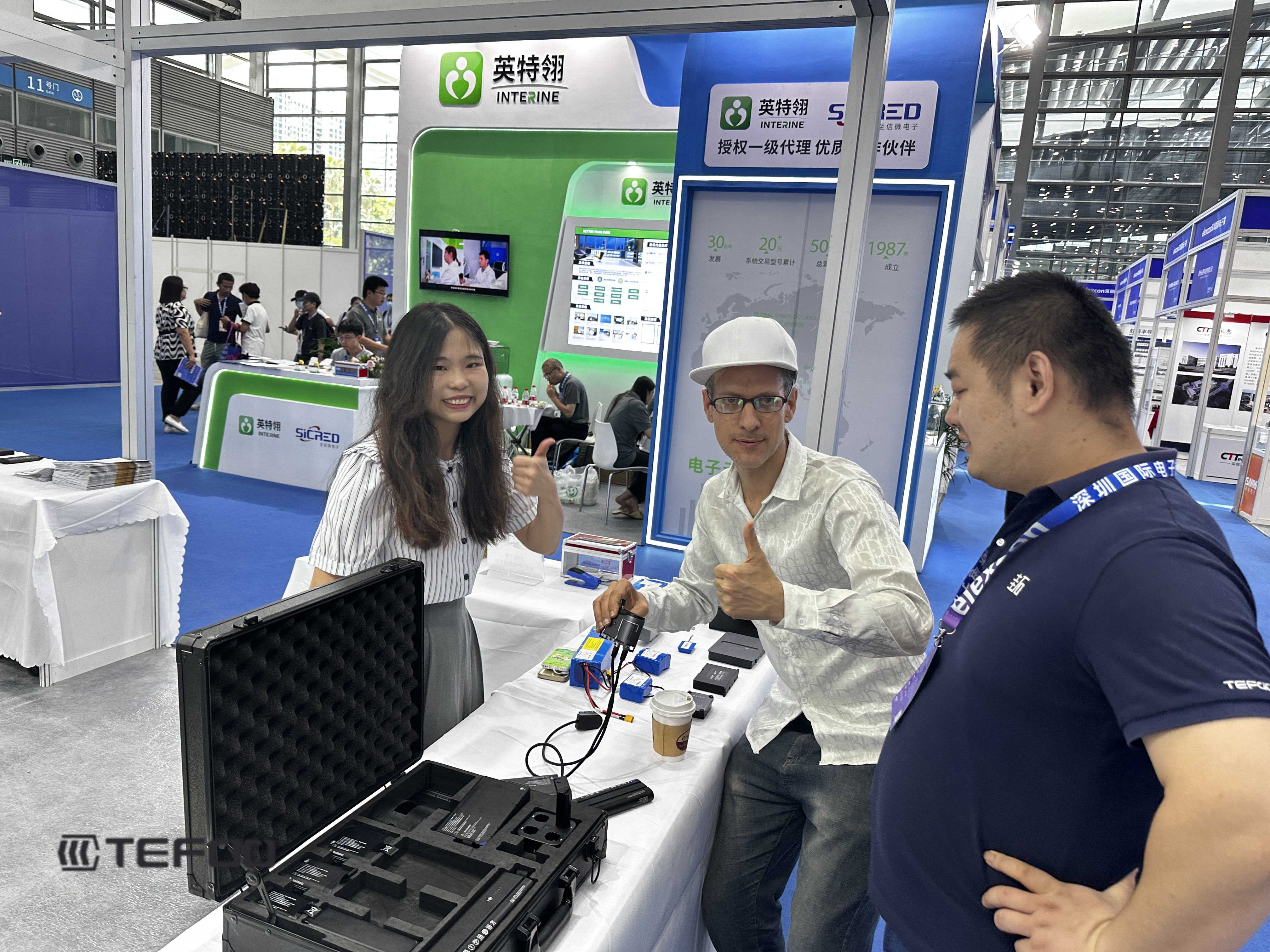
Tefoo Energy supports OEM manufacturers with standardized smart battery packs and engineering guidance across industrial, medical, and professional applications. Our engineering team assists with battery evaluation, compliance planning, and system integration from early development through production.