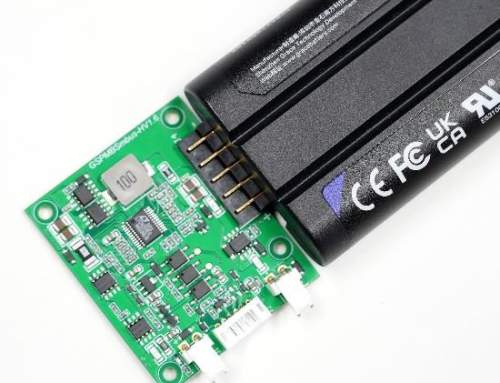
Applications and Optimization of Smart Batteries in Medical Devices
Smart batteries are increasingly prevalent in medical devices, playing a crucial role particularly in the design and optimization of portable medical equipment. The following details their application within medical devices and the corresponding adjustments made to optimize them for medical use.
Applications of Smart Batteries in Medical Devices
One of the greatest challenges facing medical devices is power management, especially in portable devices. Portable medical equipment often requires efficient, long-lasting power supply within limited space while ensuring safety and reliability during use. In this environment, smart batteries offer unique advantages such as high efficiency, precise power management, and extended runtime, meeting several key application needs:
ECG (Electrocardiogram) Monitoring Patches
ECG monitoring patches are used for real-time monitoring of a patient’s cardiac health, typically requiring extended periods of continuous power supply. These devices operate at low current levels but demand stable, long-term performance, making battery energy density and endurance critical.
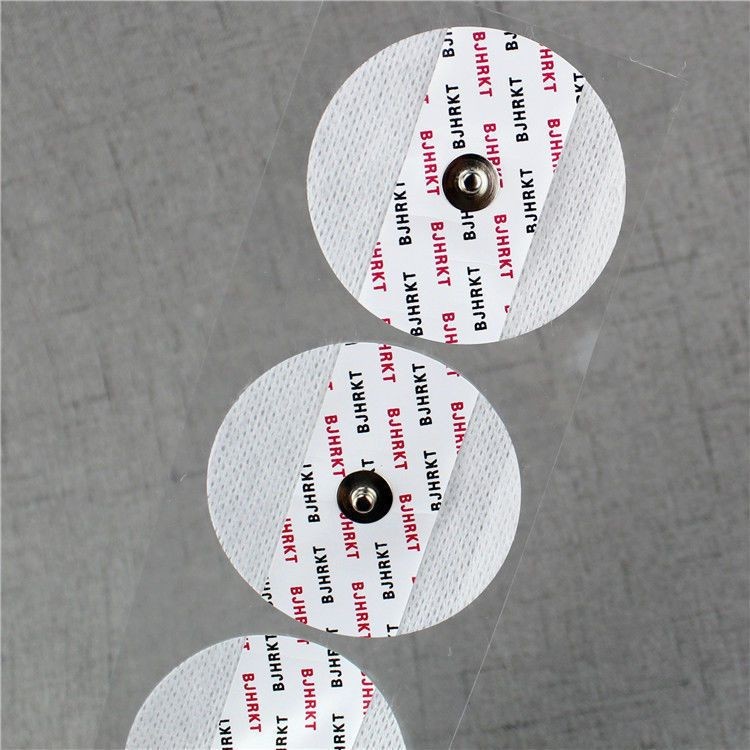
For instance, a single-use ECG chest patch requires approximately 45mAh per operation, while five days of continuous monitoring demands at least 225mAh total capacity ( ).
Smart lithium manganese oxide (LiMn₂O₄) batteries, operating at a nominal voltage of 3V, not only deliver the required energy but also optimize patient comfort by maintaining a compact size, ensuring stable device operation over extended periods.
Blood Glucose Monitor
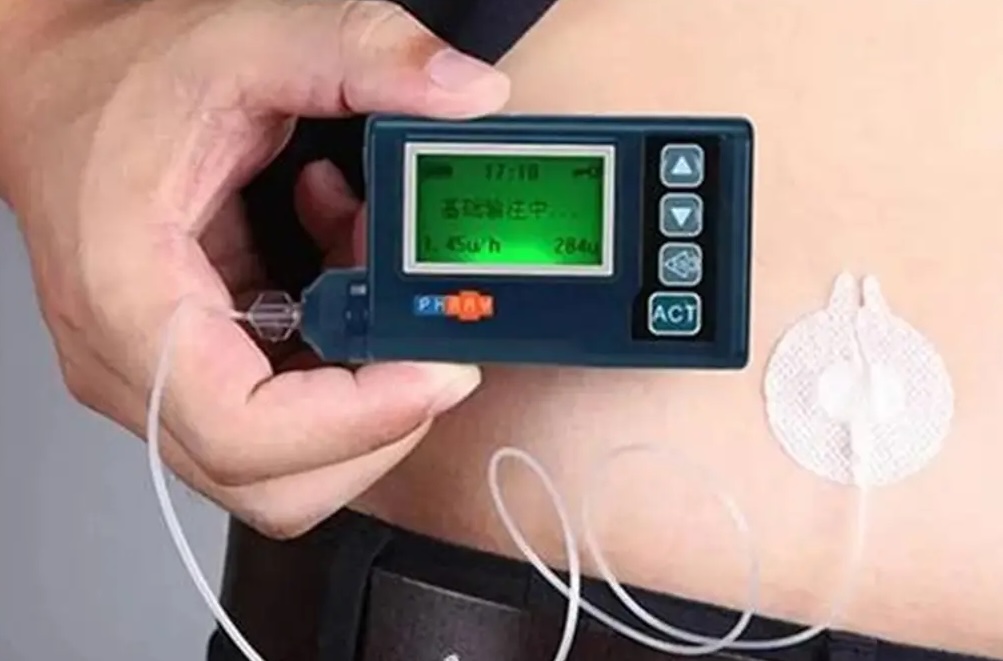
Blood glucose monitors require real-time monitoring and rapid feedback, demanding batteries capable of high-current output and supporting multiple tests. Smart batteries ensure stability and safety under high-current loads through precise Battery Management Systems (BMS) . Additionally, the device’s size and weight significantly impact user experience; smart batteries help maintain compactness, enhancing portability and user-friendliness.
Wearable Health Sensors
Wearable devices like smart bracelets and health monitoring patches also demand high-performance batteries, particularly in terms of convenience and comfort. Smart batteries ensure these devices maintain stable operation over extended use by providing precise power monitoring and efficient charging cycles. They also rapidly adapt to diverse usage scenarios, such as exercise tracking and sleep monitoring.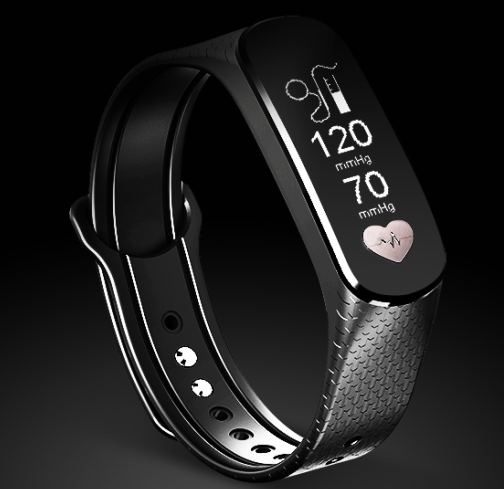
Telemedicine Devices and Monitoring Systems
Telemedicine systems, including portable ultrasound devices and medical diagnostic instruments, require robust and reliable battery support to ensure immediate availability during emergencies. Smart batteries continuously monitor battery health status and charge/discharge curves, enabling proactive alerts to mitigate unexpected risks in clinical settings.
Smart Battery Technology Solutions for Optimizing Medical Devices
To meet the specific demands of medical devices, smart batteries incorporate several design optimizations ensuring reliable and efficient operation in healthcare environments:
Precise Energy Management
Smart batteries incorporate a Battery Management System (BMS) that continuously monitors battery status and dynamically adjusts charging/discharging processes to maintain stable device operation. For example, batteries in ECG patches can precisely release energy as needed, preventing unnecessary power waste. The BMS also automatically optimizes charging rates based on battery conditions (voltage, current, temperature) to extend battery lifespan.
Low-Temperature and High-Temperature Adaptability
Many medical devices require operation across varying environmental temperatures. Smart battery designs account for extreme temperature conditions, maintaining reliable power output even at low temperatures. Smart Low-Temperature Battery delivers stable voltage output in cold environments, ensuring device readiness at all times.
Compact Size and High Energy Density
Smart batteries utilize high-energy-density cells combined with compact designs, enabling prolonged usage while minimizing size. This ensures device portability and comfort—particularly crucial for wearable medical devices like smart bracelets and health monitoring patches, which demand small, lightweight batteries capable of sustained operation for multiple days.
Long lifespan and high cycle count
Medical devices, especially wearables, typically demand batteries with extended lifespans and high charge/discharge cycle counts. Smart batteries employ advanced battery management technology to maintain stable health and performance over extended usage periods. They precisely calculate and predict remaining battery life, reducing unnecessary maintenance and replacement costs.
Precise Fault Detection and Early Warning System
Smart batteries continuously monitor key metrics such as charge level, temperature, and charging status. This data is transmitted via built-in communication modules to the device or external monitoring systems. For medical applications, this capability is critical for predicting and alerting users to potential battery health issues, preventing sudden failures that could disrupt device functionality.
Applications and Optimization of Smart Batteries in Medical Devices: Providing Reliable Power for Critical Equipment
Why Do Medical Devices Have “Special Requirements” for Batteries?
Compared to consumer electronics or industrial equipment, medical devices impose stricter demands on power sources because: Any power interruption may lead to diagnostic errors or medical incidents
Medical devices must operate stably 24/7 without sudden power loss or performance fluctuations. The increasing prevalence of portable and wearable medical devices demands batteries that simultaneously meet:
- Compact size
- Lightweight
- Long endurance
High consistency and predictability: Batteries across different batches must perform uniformly, as inconsistencies can compromise measurement accuracy, alarm systems, and data logging.
Extremely high safety standards: Medical devices come into contact with the human body, sometimes adhering to the skin or being implanted, leaving no room for error.
Therefore, traditional batteries can no longer meet these demands, making smart batteries an inevitable trend.
Why are smart batteries critical for medical devices?
They enable critical medical applications. Without smart batteries, stable, long-lasting, and safe miniaturized medical devices would be impossible. They significantly enhance patient experience. Lighter, thinner, and longer-lasting, they make wearable devices truly “unnoticeable” for monitoring. They improve diagnostic reliability. Accurate energy management ensures continuous, complete, and loss-free medical data. They help medical device manufacturers accelerate time-to-market. Standardized smart battery solutions
Conclusion: Smart Batteries Drive Medical Devices Toward Higher Standards
Smart batteries not only address traditional power requirements for medical devices but also drive miniaturization, intelligence, and reliability through high efficiency, precise management, and safety protection. Through optimized design and technological innovation, smart batteries ensure stable operation in complex environments, delivering more reliable and efficient healthcare solutions for patients worldwide.
Whether in ECG monitoring patches, blood glucose monitors, or smart wearables, smart batteries play a critical role in energy management. They provide continuous, stable support for medical devices, ensuring precise and error-free diagnostics and treatments while enhancing the overall patient experience.
Looking for safer, more efficient, and more reliable smart battery solutions for your medical devices?
Tefoo offers complete customization services—from cells and BMS to PACK—meeting the stringent demands of medical-grade devices for endurance, compact size, and safety.
👉 Contact our engineering team today for a dedicated battery customization assessment and solution proposal within 48 hours.
(Supports small-batch validation and rapid prototyping)