Introduction
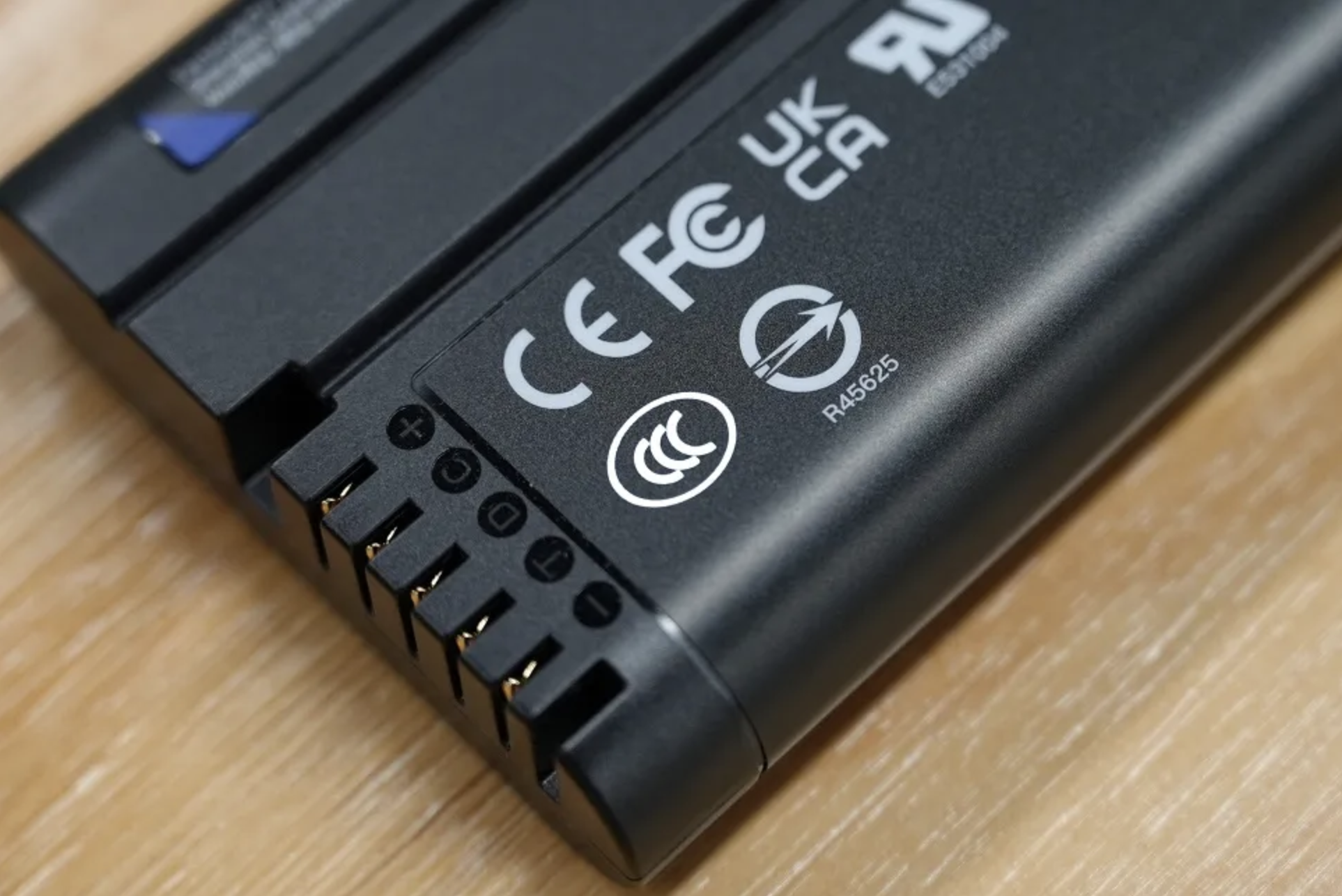
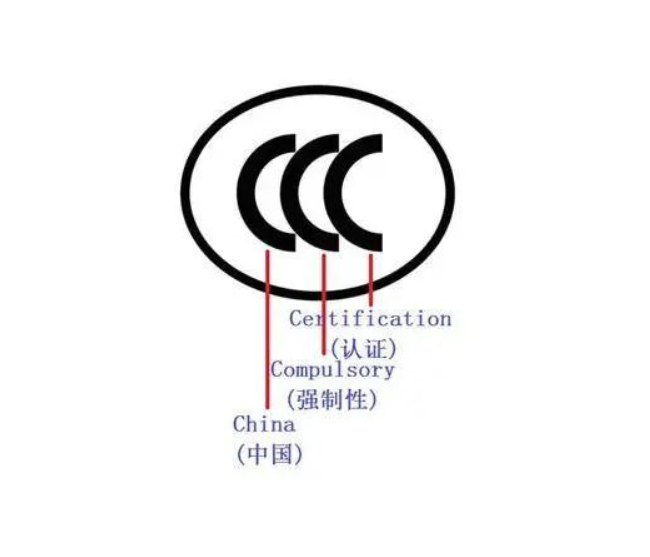
CCC certification (China Compulsory Certification) is a mandatory safety certification system for many electronic products sold in China, including power banks and lithium battery packs.
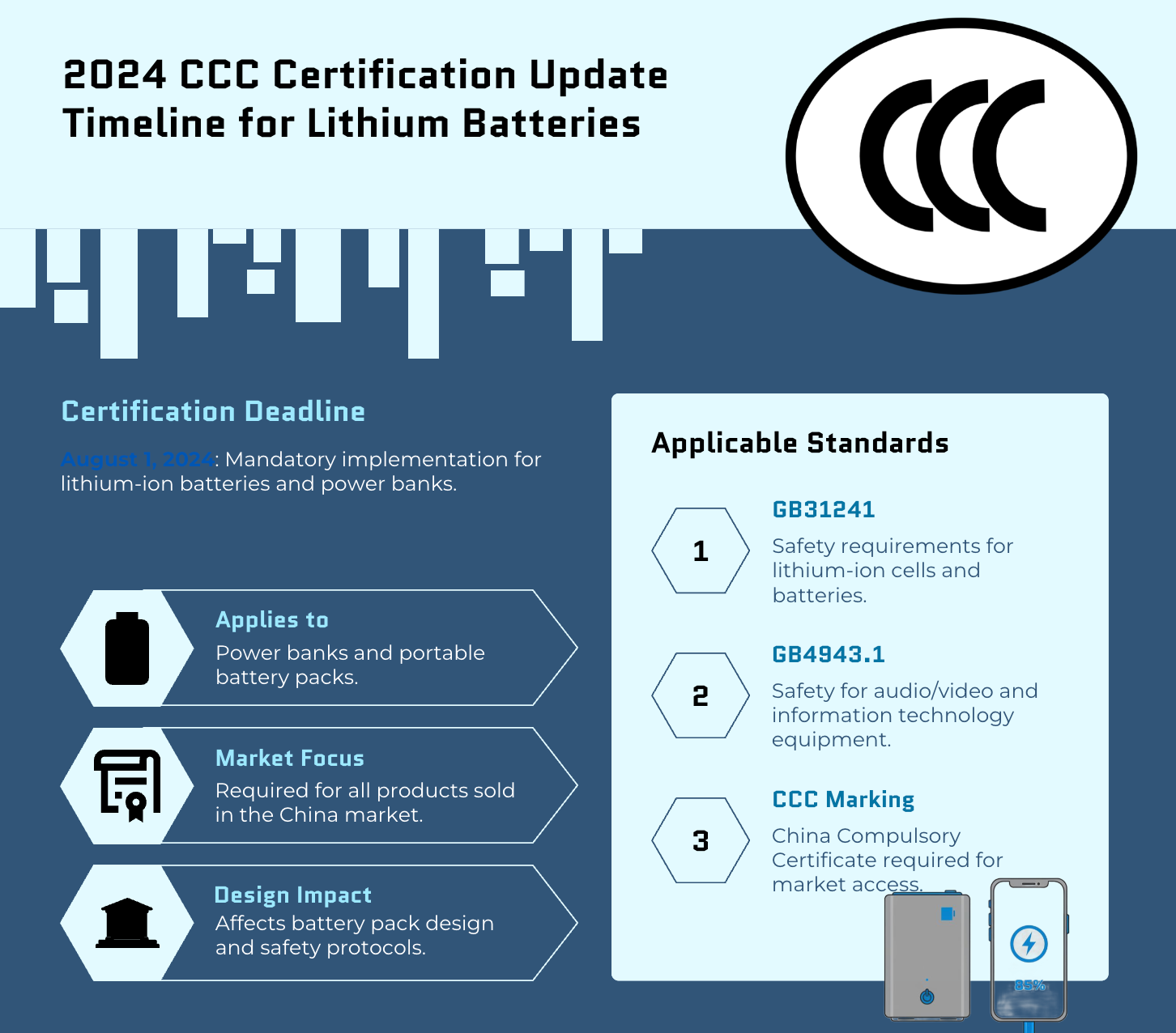
Starting from August 1, 2024, lithium-ion batteries and battery packs are subject to updated CCC certification requirements. This means products without a valid CCC certificate may face compliance risks, import restrictions, or delays in entering the Chinese market.
For OEM device manufacturers, CCC certification is not just a regulatory requirement — it directly impacts battery pack design, safety architecture, and product launch timelines.
What Is CCC Certification?
CCC certification is a government-regulated conformity assessment system in China, designed to ensure product safety and compliance before entering the domestic market. Similar to CE marking in Europe, CCC certification focuses on:
- Electrical safety
- Mechanical safety
- Fire and thermal risk prevention
For lithium battery packs, CCC certification is closely linked to system-level safety design, including protection circuits, cell selection, and reliability under real operating conditions.
Updated CCC Requirements for Lithium Batteries (2024)
Recent regulatory updates have expanded the scope of CCC certification to include:
- Power banks (mobile power supplies)
- Lithium-ion battery packs
- Batteries used in portable electronic devices
Key applicable standards include:
- GB31241 – Safety requirements for lithium-ion batteries and battery packs
- GB4943.1 – Safety requirements for audio/video and IT equipment
In practice, previously used certification paths or test reports may no longer be sufficient. OEM manufacturers should review whether their existing battery solutions comply with the latest CCC requirements.
Why CCC Certification Matters for OEM Devices
1. Regulatory and Market Access Risks
Products without CCC certification cannot be legally sold or distributed in China. This can result in:
- Customs clearance issues
- Delayed product launches
- Market access limitations
2. Industry Practice: CCC as a “Default Requirement”
While CCC certification requirements may vary depending on product classification, in practice, most OEM projects involving lithium battery packs treat CCC certification as a standard requirement.
For international manufacturers, compliance is typically not considered optional due to safety, regulatory, and commercial risks.
3. Engineering Impact on Battery Design
CCC certification is not only about passing tests — it requires proper battery pack design from the beginning.
Key design considerations include:
- Battery configuration (e.g., 3S / 4S structures)
- Protection circuit architecture (overcharge, over-discharge, short circuit)
- Voltage and current management
- Thermal stability and enclosure safety
For OEM manufacturers, CCC certification is fundamentally a battery design issue, not just a compliance checkbox.
Do All Battery Packs Need CCC Certification?
Not all lithium battery applications are subject to the same requirements, but in real-world OEM scenarios, CCC is often expected.
| Scenario | CCC Requirement |
|---|---|
| Power banks sold in China | Required |
| Portable consumer electronics | Required |
| Export-only products | Not mandatory, but recommended |
| Industrial / medical devices | Case-dependent but often expected |
| OEM integrated battery systems | Typically required in practice |
For applications such as medical devices, industrial equipment, and test instruments, manufacturers generally follow CCC-related standards even when not explicitly mandated, to reduce risk and ensure compliance.
CCC Certification Requirements for Lithium Battery Packs
To obtain a CCC certificate, battery packs must comply with strict safety and performance requirements.
Key Testing Areas
- Electrical safety testing
- Thermal stability testing
- Mechanical reliability testing
Core Technical Requirements
- Reliable protection circuits (BMS)
- Cell consistency and quality control
- Safe charge and discharge management
- Short-circuit and overcurrent protection
Battery packs with advanced protection systems and intelligent communication (such as SMBus-enabled smart batteries) can better support monitoring, diagnostics, and compliance requirements.
How to Check If a Power Bank Has a CCC Certificate
To verify whether a power bank or battery pack is CCC certified, OEM buyers should:
- Check the product label or housing for certification markings
- Review the CCC certificate number provided by the supplier
- Verify certification through official databases
- Confirm that the certification matches the exact product model
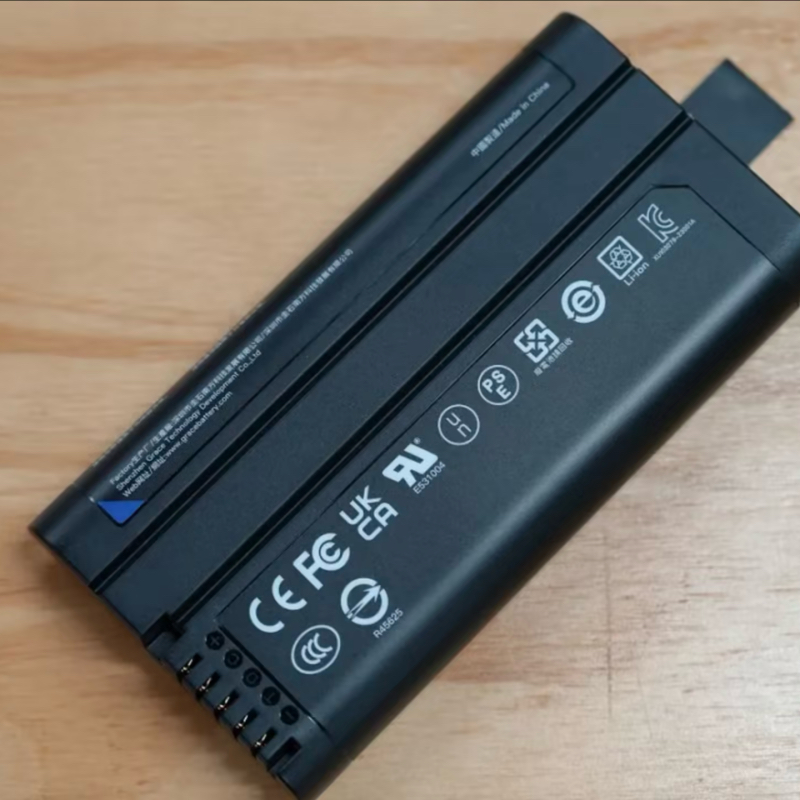
⚠️ It is important to be aware of fake or misleading certification claims, especially when sourcing from unfamiliar suppliers.
CCC vs CE Certification: What’s the Difference?
| Certification | Region | Focus | Mandatory |
|---|---|---|---|
| CCC | China | Product safety | Yes (for applicable products) |
| CE | European Union | Compliance with EU directives | Yes |
| FCC | United States | Electromagnetic compatibility | Yes |
CCC certification is required specifically for the Chinese market, while CE and FCC apply to other regions. For global OEM projects, multiple certifications may be necessary.
Application Scenarios: Where CCC Compliance Matters Most
Industrial Equipment
Battery packs used in industrial devices must operate reliably under demanding conditions. CCC compliance ensures safety in high-load and long-duration use cases.
Medical Devices
In medical applications, battery safety is critical. CCC-related standards help ensure protection against failure modes that could impact patient safety.
Test & Measurement Devices
Portable instruments such as oscilloscopes, gas analyzers, and detection equipment rely on stable power systems. CCC-compliant battery packs improve reliability and reduce operational risks.
OEM Considerations When Choosing a Battery Supplier
For OEM manufacturers, selecting the right battery supplier is essential for both compliance and product performance.

Key factors to consider:
1. Certification Capability
- Does the supplier understand CCC certification requirements?
- Can they provide certified battery solutions?
2. Engineering Support
- Can the supplier support battery design optimization for compliance?
- Do they have experience with safety-critical applications?
3. Flexibility and Customization
- Can they support custom battery pack development?
- Do they offer flexible supply options, including no minimum order quantity?
4. Compliance Support
In cases where a battery solution does not yet have a CCC certificate, experienced suppliers can assist in the certification process and help accelerate compliance.
5. Compatibility with Existing Platforms
For OEM devices currently using legacy battery systems, it is important to evaluate whether existing solutions meet updated CCC requirements.
In many cases, compatible smart battery packs with updated compliance design can serve as drop-in replacements, while supporting regulatory requirements and improving system safety.
Conclusion
CCC certification plays a critical role in ensuring safety and regulatory compliance for power banks and lithium battery packs in China.
While requirements may vary by application, in practice, most OEM projects treat CCC compliance as a standard requirement. More importantly, achieving CCC certification depends heavily on proper battery design and supplier expertise.
For OEM manufacturers, working with an experienced battery partner can significantly reduce compliance risks, shorten development cycles, and ensure reliable product performance.