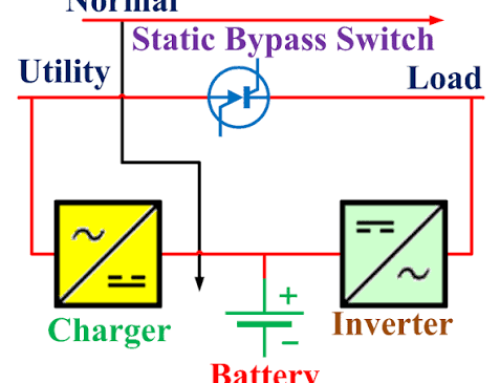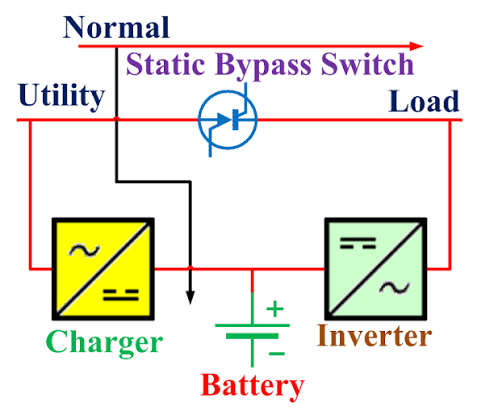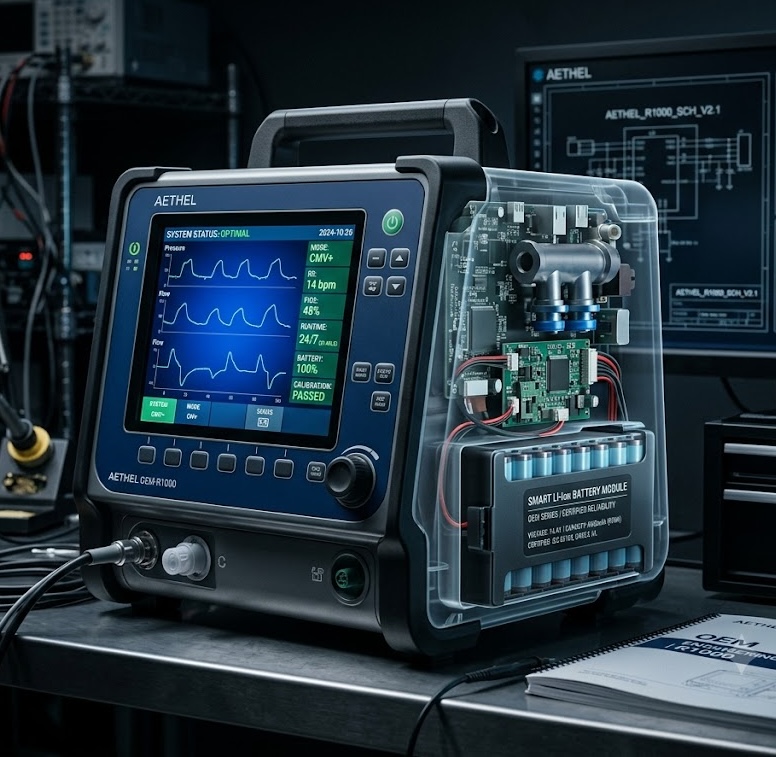
In the OEM development of industrial equipment and medical instruments, the absolute reliability of the power system often dictates the success of the final product. When you are engineering a portable ventilator, a high-precision oscilloscope, or a handheld spectrometer, ensuring that the device seamlessly switches to a backup battery when the primary power depletes—or drops unexpectedly—is a formidable engineering challenge.
When the system’s transient current load reaches the 10A level, this is no longer a matter of simply connecting two wires.
- Thermal Management: Dealing with the extreme heat generated by high continuous currents.
- Transient Response: Preventing microsecond voltage dips during the switchover.
- System-Level Handshake: Ensuring the host controller transitions without a hard reset.
This process evolves into a comprehensive test of your power architecture, demanding a transition from basic electrical wiring to advanced power path management.
Why Traditional Diode Parallel Designs Fail
Many early or low-cost designs attempt to build a simple “OR-gate” logic by wiring standard diodes in parallel at the output ends of the two batteries. From a pure circuit topology perspective, this voltage-differential-driven setup works adequately for low-power consumer electronics. However, when subjected to a 10A industrial workload, the physical bottlenecks of this design are completely exposed.

Even with high-efficiency Schottky diodes, high-current environments trigger inevitable electrical penalties:
- Significant Voltage Drops: A loss of 0.3V to 0.5V across the diode is unavoidable.
- Severe Power Waste: Up to 3W to 5W of power is pointlessly converted into heat.
In the tightly packed enclosures of rugged laptops or medical patient monitors, this unmanaged thermal accumulation can easily trigger thermal runaway. More critically, the voltage drop can push the system’s operating voltage below safety thresholds, introducing a fatal risk of unexpected system crashes during critical operations.
The High-Efficiency Alternative: Ideal Diodes and MOSFETs
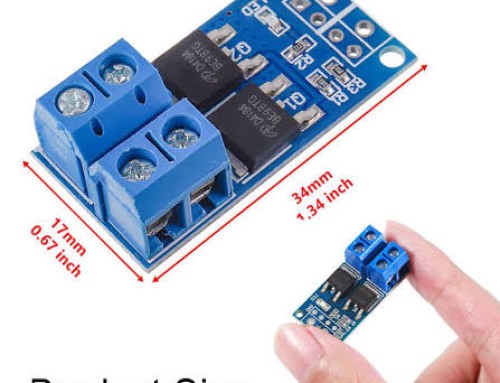
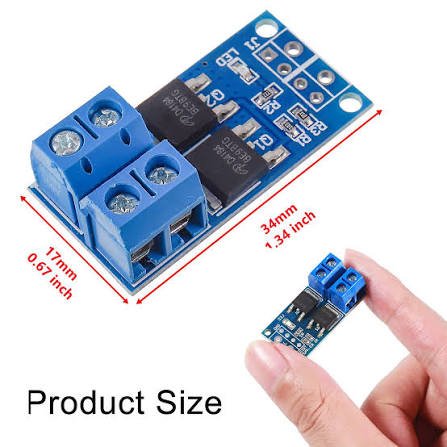
To fundamentally eliminate the risks associated with voltage drops and overheating, modern high-reliability power architectures have universally shifted to “ideal diode” designs. This architecture discards passive semiconductor components and replaces them with MOSFETs—electronic switches with exceptionally low on-resistance.
Because the internal resistance of a fully conducting MOSFET is in the milliohm range, the temperature rise is negligible, even with a continuous 10A surge.
- Zero Thermal Bottlenecks: Eliminates the need for bulky heatsinks on the PCB.
- Microsecond Switching: Dedicated high-speed controller chips detect voltage differentials instantly.
- Hard-Switch Execution: The power path is redirected before the system capacitance drains.
This ultra-fast response capability ensures that backend CPUs and precision sensors remain completely unaware of any power gap. By maintaining a stable voltage rail, the equipment can sustain continuous data acquisition and uninterrupted life-support functions.
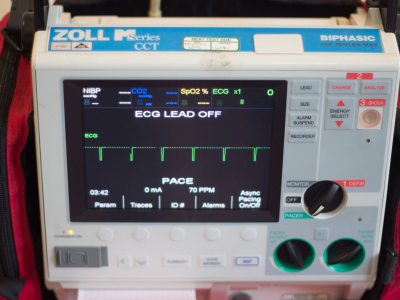
M5D83B Zoll CCT Defibrillator equipment in red carrying case for cardiac arrest, ECG, AED
Integrating Hysteresis Logic and Smart Buses
Once the physical switching efficiency is resolved, preventing circuit oscillation becomes the core focus of the control logic. If a system relies on a single voltage threshold, minor load-induced voltage ripples can cause the circuitry to violently bounce back and forth between the main and backup batteries.
To build a robust physical buffer zone, engineers must integrate system-level safeguards:
- Hysteresis Logic: Setting distinct “cut-out” and “cut-in” voltage thresholds to prevent high-frequency toggling.
- SMBus Communication: Utilizing standardized communication protocols to read real-time data.
- Fuel Gauge Integration: Allowing the host to monitor precise State of Charge (SoC) and battery health.
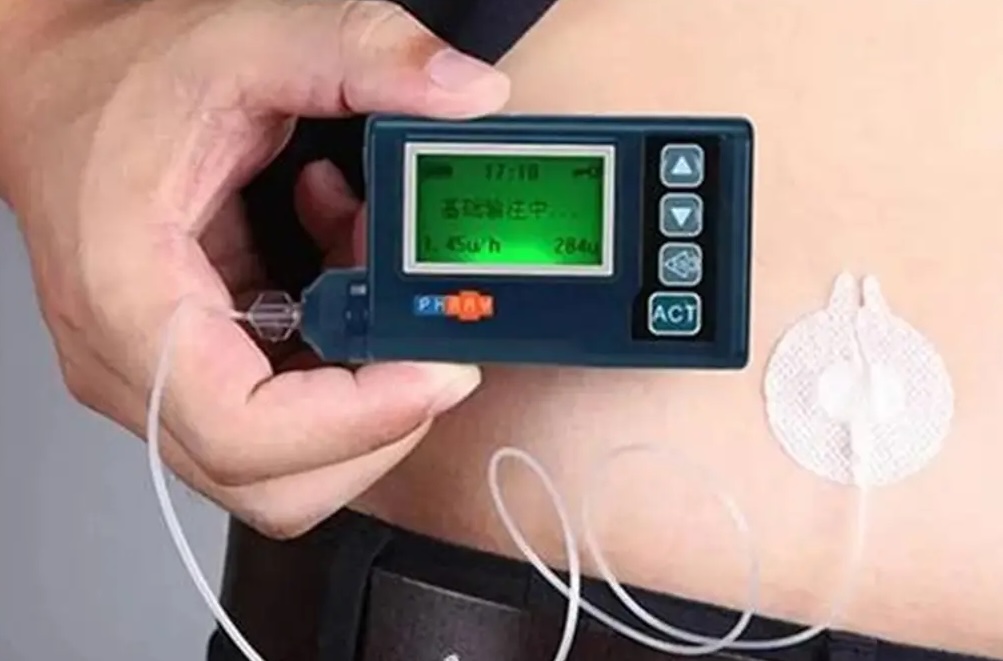
This deep system-level handshake allows the main control unit to proactively prepare for a transition long before a physical voltage drop occurs. It upgrades the entire power management strategy from a reactive hardware rescue to proactive, intelligent power scheduling.
Stop Reinventing the Wheel: The OEM Strategy
For manufacturers developing high-end equipment like ground-penetrating radars or coordinate measuring machines, building and validating a 10A redundant switching system from scratch is highly inefficient. It not only incurs exorbitant R&D costs but also forces the product through a lengthy, unpredictable global safety certification cycle.
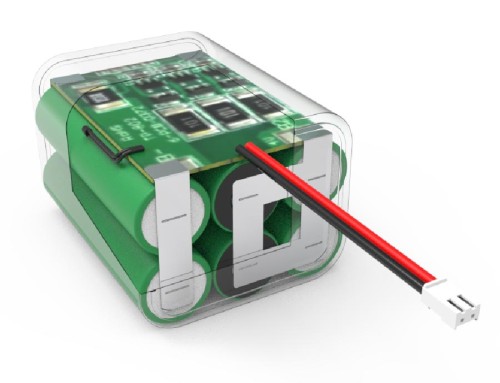
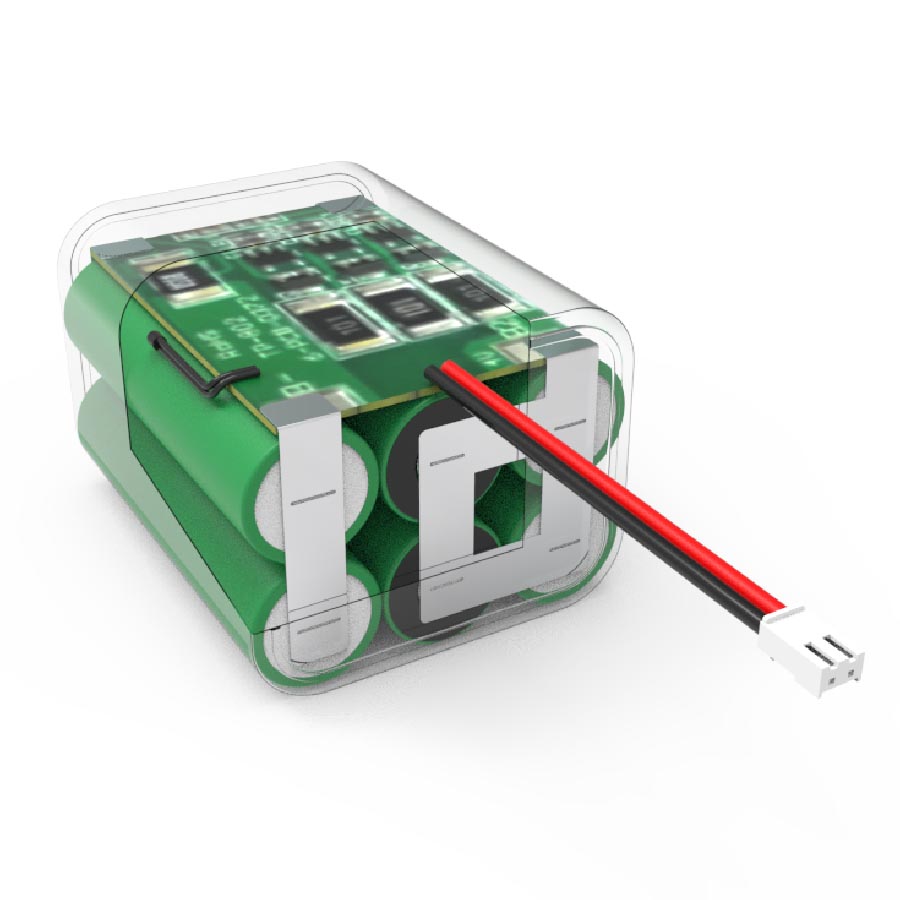
The most pragmatic engineering decision is to integrate standardized smart lithium battery modules that have already survived rigorous market validation.
- Built-in Protection Matrices: Native defense against over-voltage, over-current, and extreme temperatures.
- SHA Cryptographic Encryption: Physical and software-level blocking of counterfeit or unsafe replacement batteries.
- Pre-Certified Compliance: Ready-to-use modules carrying IEC62133, UN38.3, and CE certifications.
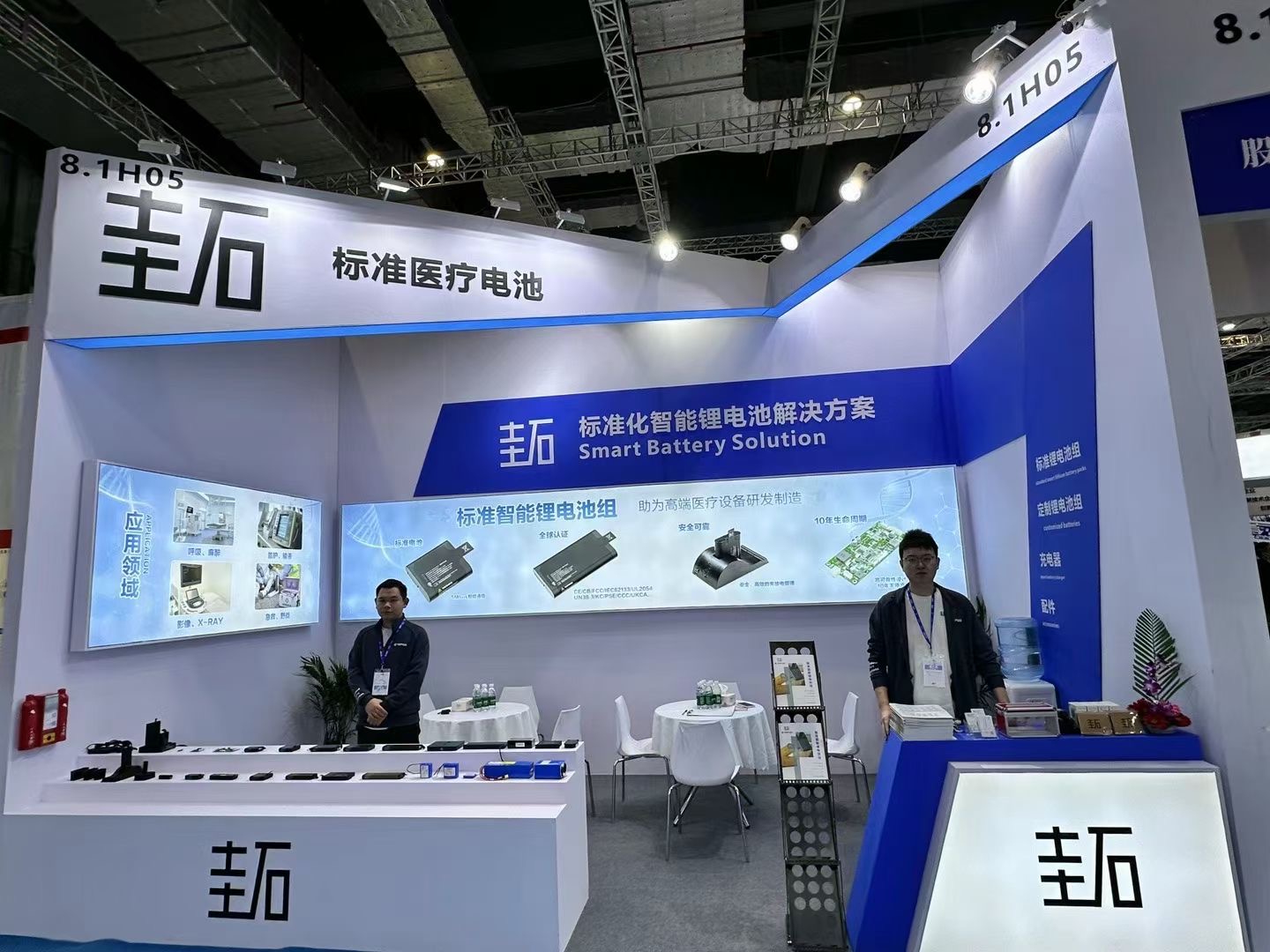
By adopting a mature, off-the-shelf power solution, engineering teams can focus their valuable time and budget entirely on innovating the core features of their devices, securely offloading complex power routing to specialized modules.
Frequently Asked Questions (FAQ)
Q: Why does our instrument briefly reboot or screen-blank during the backup battery switchover?
A: This typically occurs because the switching mechanism’s response time is slower than the discharge rate of your system’s capacitors, or because the control logic lacks a proper hysteresis buffer, causing a momentary power gap. Upgrading to a MOSFET-based high-frequency electronic switch combined with precise BMS power management will effectively bridge this critical voltage gap.
Q: Can we use high-power mechanical relays for battery switching to save costs?
A: We strongly advise against using mechanical relays in high-reliability applications like medical imaging or precision instrumentation. The electrical arcing generated at the contacts under high currents severely degrades component lifespan. Furthermore, their millisecond-level physical actuation delay is a primary cause of system resets. Solid-state, contactless switching is the mandatory industrial standard.
Q: We are developing an emergency ventilator requiring a high-current, dual-battery redundant setup. How can we accelerate our time-to-market?
A: The most efficient path is to utilize standardized smart lithium battery packs equipped with comprehensive communication protocols (like SMBus). This approach eliminates the need for exhaustive low-level electrical matching and allows you to inherit existing global transport and safety certifications. If you need to evaluate specific module compatibilities or require in-depth development support, our engineering team is ready to assist.