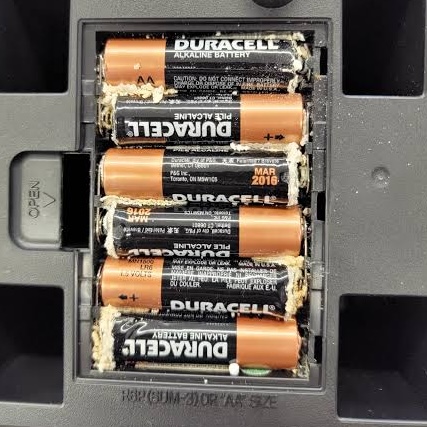
What Does a Bad Battery Smell Like and Is the Rotten Egg Smell From a Battery Dangerous?
Hardware engineers integrating energy storage systems into industrial equipment often encounter unexpected venting events where off-gassing creates immediate workplace hazards. A bad battery smell—often characterized by a sharp, sulfurous odor—indicates compromised structural integrity, internal short-circuiting, or thermal degradation requiring immediate isolation and chemical neutralization protocols.
Key Takeaways
What Does a Bad Battery Smell Like Across Different Electrochemical Chemistries?
The exact olfactory profile of a venting battery dictates the immediate safety response, as different cell chemistries release distinctly different volatile organic compounds (VOCs) and toxic gases upon failure.
Why Do Batteries Leak Acid and Produce a Sulfur Smell?
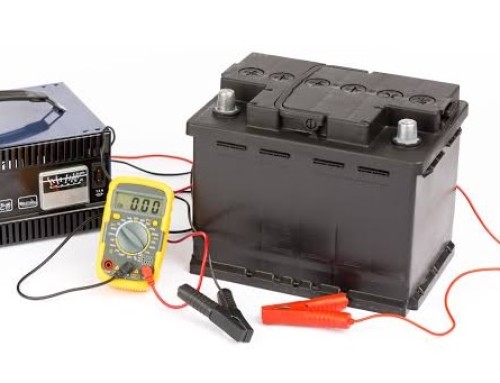
Batteries leak corrosive fluids and produce a sulfur smell battery emission when internal overcharging, physical casing deformation, or extreme thermal stress ruptures the cell’s outer containment.
Lead-acid batteries contain aqueous sulfuric acid; a rupture yields a sharp, recognizable rotten egg odor. Is the rotten egg smell from a battery dangerous? Yes, this specific odor indicates the active release of toxic hydrogen sulfide gas or vaporized sulfuric acid. Inhaling these fumes causes immediate respiratory damage, and the acidic vapor will rapidly corrode nearby printed circuit boards (PCBs) and metallic chassis components. Identifying this odor profile enables procurement and maintenance teams to deploy the correct chemical neutralization protocols immediately.
What Does a Lithium-Ion Battery Venting Event Smell Like?
Unlike lead-acid units, lithium-ion batteries do not contain liquid sulfuric acid, but when damaged, they release a sweet, sharp, or acrid chemical odor indicating volatile electrolyte leakage.
When analyzing what does ash smell like following a battery fire or thermal runaway event, the emission typically smells of burnt plastics, metallic oxides, and sharp chemical soot. The primary visual and olfactory indicators of a lithium-ion leak include:
-
Acrid or sweet smells suggesting hidden internal leaks.
-
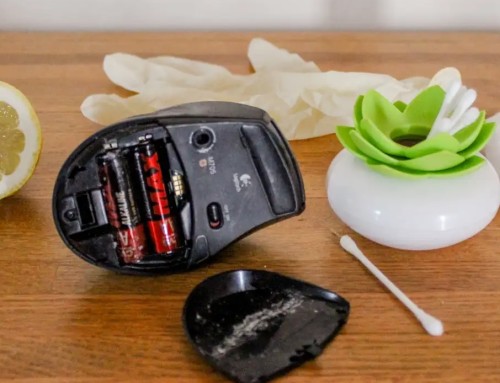
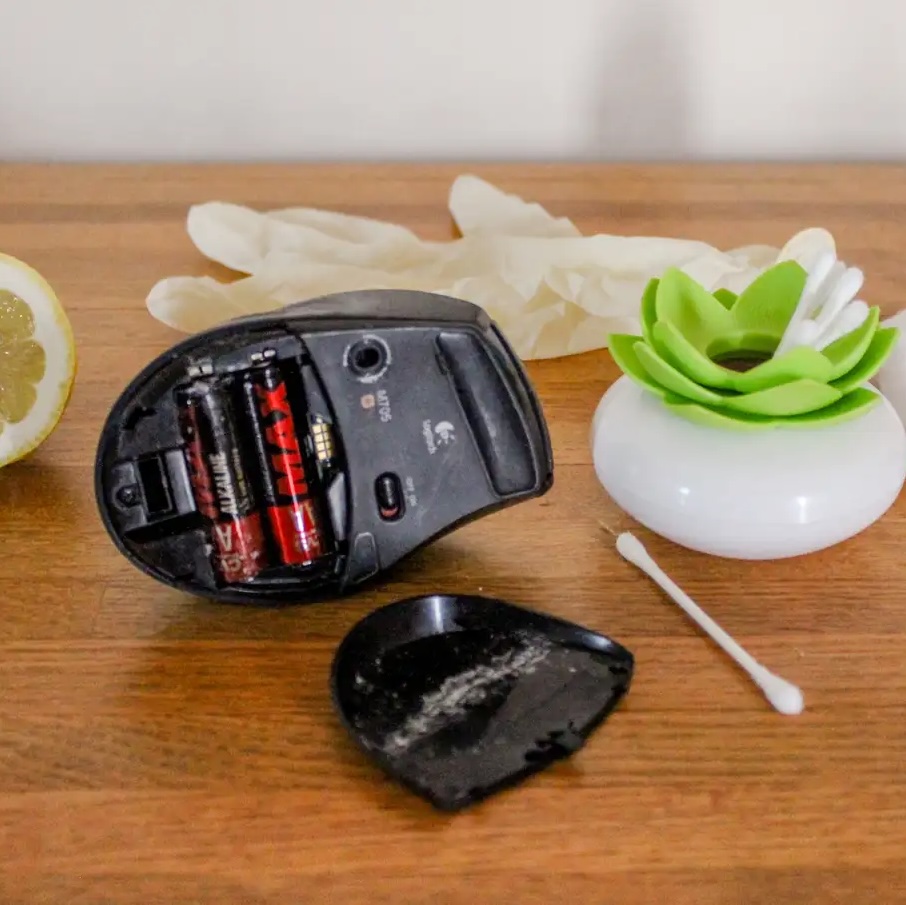
Crusty white deposits forming directly on the battery terminals.
-
Bulging or distorted external battery cases resulting from internal gas buildup.
Engineers must treat any sweet or chemical odor from a lithium-ion pack as a critical hardware failure requiring immediate system shutdown and physical isolation of the battery pack.
How Dangerous Is Battery Acid Exposure to Personnel and Industrial Equipment?
Exposure to leaked battery electrolytes degrades surrounding infrastructure through rapid oxidation and poses severe, quantifiable health risks to personnel operating in enclosed spaces.
Is Dry Battery Acid Dangerous to Human Health?
Is dry battery acid dangerous or is dried battery acid dangerous to touch? Yes, the dried battery acid residue (often appearing as a crusty white crystalline powder on battery terminals) remains highly caustic and will cause severe chemical burns upon dermal contact or respiratory irritation if inhaled as airborne dust.
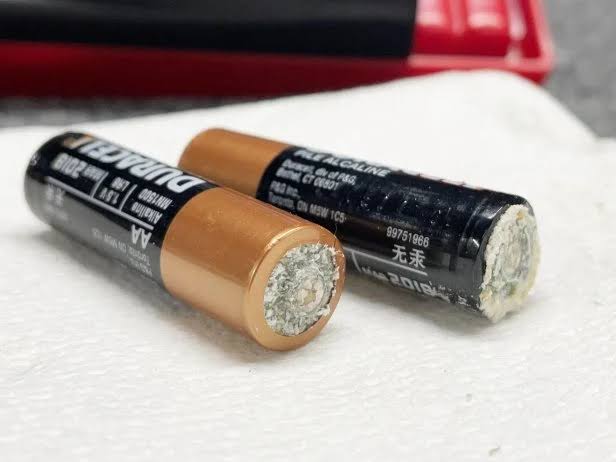
How dangerous is battery acid in a clinical context? Accidental ingestion (the battery acid taste being violently sour and metallic) or vapor inhalation demands immediate emergency medical response.
| Health Impact Area | Quantitative / Clinical Findings | Required B2B Safety Protocol |
| Respiratory Function |
High exposure groups show significantly reduced FEV1 and peak flow values.
|
OSHA-compliant respirators or face shields.
|
| FVC (Forced Vital Capacity) |
Statistically significant reduction in high acid-exposure personnel.
|
Proper facility HVAC ventilation.
|
| Dental Health |
Teeth etching and erosion occur four times more frequently in high exposure groups.
|
Enclosed chemical handling environments. |
Personnel must utilize full Occupational Safety and Health Administration (OSHA) mandated personal protective equipment (PPE)—including chemical-resistant gloves, goggles, and face shields—before attempting to clear dried acid deposits from hardware.
What Is the Environmental Toxicity of Battery Chemical Leaks?
Battery acid leakage severely harms surrounding environments, contaminating industrial soils and aquatic sediments with highly mobile chemical agents.
Quantitative analyses reveal that chemicals such as bis-FMeSI—frequently found in battery acid—contaminate soils at concentrations ranging from 22.9 ng/kg to 2300 ng/kg. Furthermore, its high mobility in water systems (indicated by a log Kd value of -0.18 L/kg) drastically increases the risk of widespread aquatic contamination. Industrial facilities must implement stringent secondary containment systems to prevent electrolyte fluids from leaching into public wastewater networks.
How Do I Dispose of Battery Acid and Neutralize Industrial Leaks?
Improper disposal of compromised battery modules violates environmental regulations and introduces severe fire hazards into standard commercial waste streams.
How to Dispose Battery Acid Safely Using Chemical Neutralization?
Facility managers must neutralize sulfuric battery acid spills using sodium bicarbonate (baking soda) before initiating standard hazardous waste disposal procedures.
When resolving how do i dispose of battery acid, personnel must never use water directly on an active spill without neutralizing it first, as water rapidly spreads the corrosive material and increases the damage radius.
-
Apply sodium bicarbonate directly over the sulfuric acid spill to neutralize its corrosive properties.
-
Wait for the active bubbling reaction to cease, indicating complete chemical neutralization.
-
Clean the area with water and a disposable cloth.
-
For lithium-ion leaks, isolate the battery immediately and use specialized chemical absorbent pads designed for hazardous spills.
All neutralized materials and absorbent pads must be transferred exclusively to certified recycling facilities; they must never be disposed of in standard commercial trash bins.
B2B Selection Matrix: Optimizing Battery Design to Prevent Leaks
Upgrading from standard commercial cells to custom-engineered industrial battery packs drastically reduces the Total Cost of Ownership (TCO) by eliminating leak-related downtime and corrosion damage.
Storing lithium-ion batteries outside optimal temperature ranges (15°C to 25°C / 59°F to 77°F) accelerates chemical reactions that inevitably lead to leaks. Furthermore, batteries must be stored at approximately 40% State of Charge (SoC) to prevent voltage from dropping below 2.50V/cell, a threshold that induces severe chemical instability.
| Integration Strategy | Standard Commercial Pack | Custom Industrial Pack | B2B Engineering & TCO Impact |
| Enclosure Sealing | PVC Shrink Wrap | IP67 Ultrasonically Welded ABS | Prevents moisture ingress and contains internal leaks. |
| Thermal Monitoring | External ambient only | Integrated NTC Thermistors & BMS | Prevents thermal runaway and subsequent acid venting. |
| Vibration Tolerance | Standard spring contacts | Spot-welded pure nickel strips | Prevents physical disconnection and terminal cracking. |
Custom Solutions Integration: If your industrial hardware requires leak-proof reliability in harsh environments, our engineering team provides custom lithium-ion battery packs featuring precision spot-welded nickel tabs (0.15 mm / 0.006 in thickness), IP67-rated waterproof enclosures, and tailored Battery Management Systems (BMS) to ensure maximum chemical stability and prevent venting events.
Identifying what a bad battery smells like allows engineers to intercept catastrophic battery failures before they cause severe equipment corrosion or personnel injury. Whether neutralizing sulfuric acid or isolating a damaged lithium-ion cell, adhering to strict OSHA handling protocols and utilizing certified recycling channels ensures a safe, compliant operational environment.
Battery Odor Diagnostic Quick-Reference Table
| Diagnostic Odor | Chemical Source | Required Action |
| Sharp, Rotten Egg (Sulfur) |
Lead-acid venting or casing leak.
|
Neutralize with baking soda, ventilate area immediately.
|
| Sweet or Acrid Chemical |
Lithium-ion electrolyte vaporization.
|
Isolate battery, deploy chemical absorbent pads.
|
| Burnt Plastic / Metallic Soot | Active thermal runaway event. | Evacuate personnel, utilize specialized fire suppression. |
Frequently Asked Questions
Is the rotten egg smell from a battery dangerous? Yes, a rotten egg or sulfur smell indicates the release of toxic hydrogen sulfide gas and vaporized sulfuric acid, posing severe respiratory hazards and corrosion risks to nearby equipment.
What does a bad battery smell like? A bad lead-acid battery emits a sharp sulfuric odor, while a damaged lithium-ion battery produces a sweet, acrid, or heavy chemical smell indicating electrolyte vaporization.
How do I dispose of battery acid safely? You must neutralize the acid with sodium bicarbonate (baking soda), absorb the resulting compound, and transfer it exclusively to a certified hazardous waste recycling facility.
Is dried battery acid dangerous to touch? Yes, the white crystalline residue left by dried battery acid remains highly corrosive and requires chemical-resistant gloves, goggles, and face shields for safe removal to prevent severe chemical burns.
Why do batteries leak acid? Batteries leak acid due to excessive thermal stress, internal overcharging, physical casing deformation, or allowing cell voltage to drop below critical chemical stability thresholds (e.g., <2.50V/cell for lithium-ion).