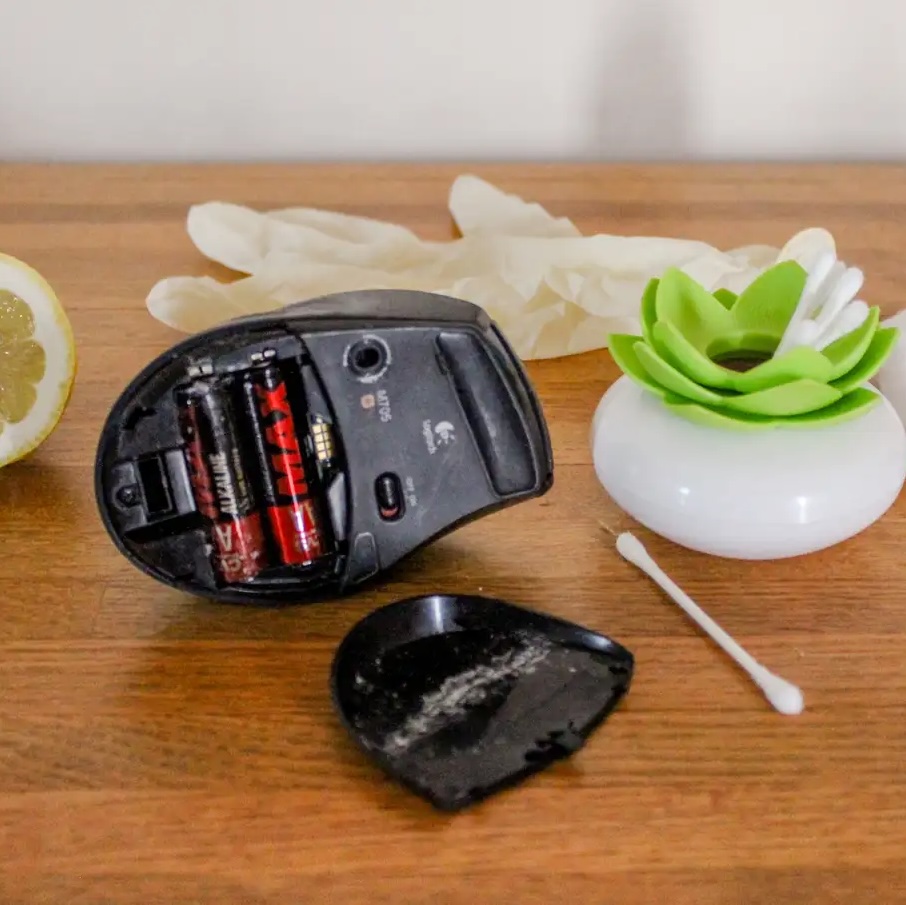
Are Corroded Batteries Dangerous To Medical And Industrial Equipment?
An unexpected isolation fault in a portable medical ventilator caused by unseen terminal corrosion can immediately halt critical patient care operations. When moisture penetrates the sealant of a lithium-ion pack, the moisture reacts with the internal electrolyte to generate highly destructive hydrofluoric acid (HF). Hardware engineers must rapidly address these chemical leaks to prevent thermal runaway and catastrophic equipment failure. Understanding the exact chemical composition of these leaks enables engineering teams to execute precise neutralization protocols and safely restore the affected industrial hardware.
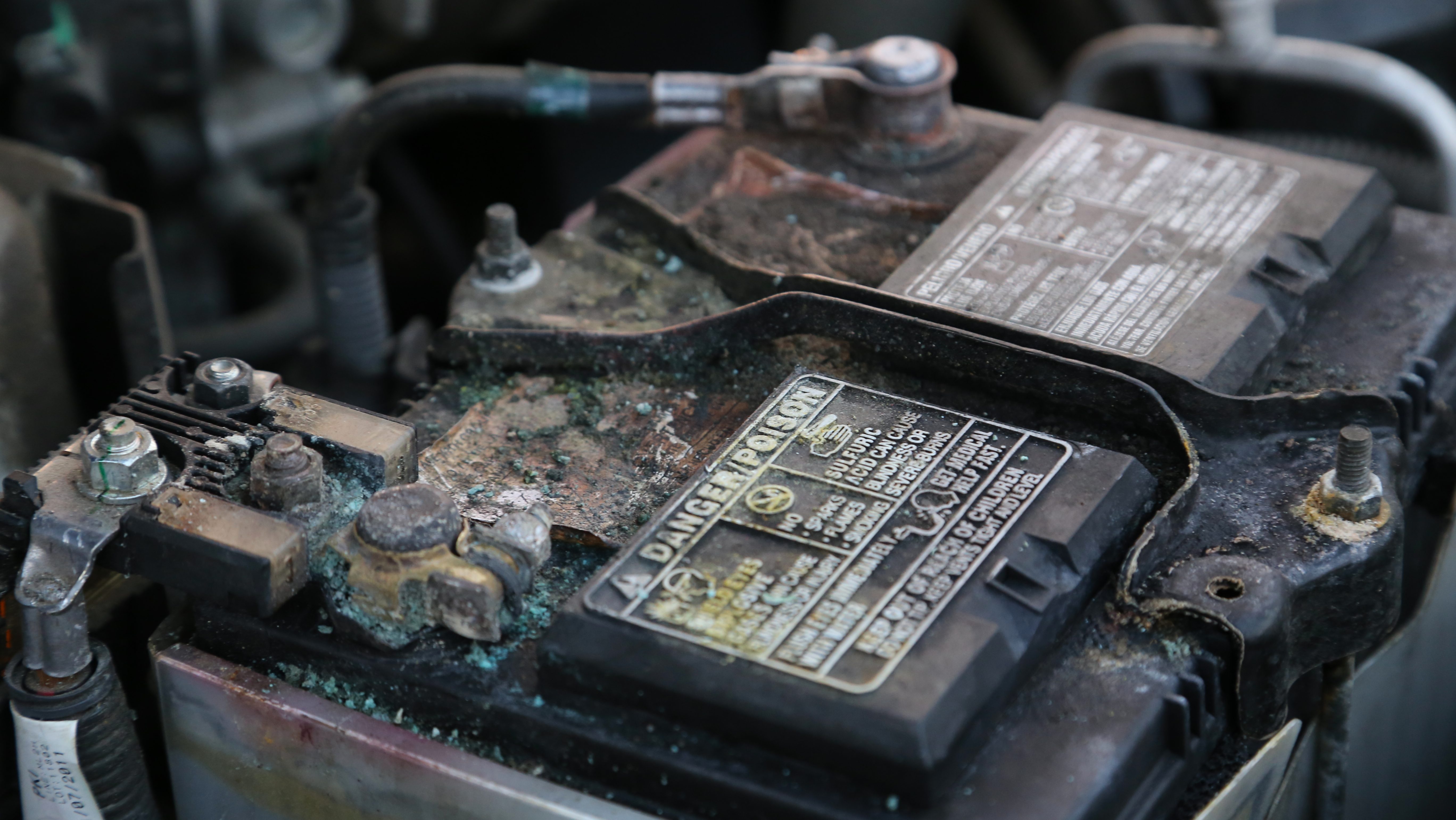
Are Corroded Batteries Dangerous To Maintenance Engineers?
Corroded batteries are highly dangerous because exposed electrolytes and toxic fumes inflict severe organ damage and chemical burns on maintenance personnel. When aluminum-plastic films degrade within the module, the compromised lithium-ion batteries release hydrofluoric acid that simultaneously attacks human tissue, metallic fluid collectors, and cathode materials.
Is Battery Acid Dangerous To Touch During Equipment Inspections?
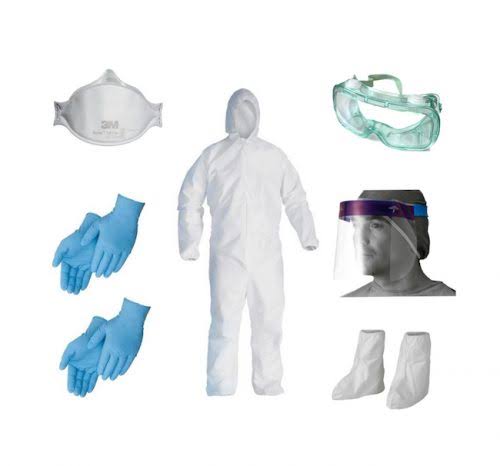
Touching battery acid is exceptionally dangerous because acidic and alkaline battery leaks instantly inflict severe chemical burns on unprotected skin. Maintenance engineers must completely avoid handling leaking power modules with bare hands and must always equip themselves with nitrile gloves, safety goggles, and chemical-resistant aprons.
Different battery chemistries present unique physiological hazards when physical contact occurs with the leaked electrolyte.
| Battery Chemistry | Primary Chemical Hazard | Physiological Risk |
| Lithium-Ion Batteries |
Toxic chemical byproducts
|
Severe respiratory disease and deep organ damage
|
| Lead-Acid Batteries |
Sulfuric acid and lead
|
Permanent brain damage, kidney damage, and reproductive harm
|
| Alkaline / Button Cells |
Potassium hydroxide
|
Deep tissue burns upon skin or mucous membrane contact
|
If accidental skin contact occurs with alkaline or lithium battery corrosion, personnel must immediately flush the affected dermal area with lukewarm water for 15 to 30 minutes to mitigate the severity of the chemical burn.
How To Clean Batteries That Leaked Inside Precision Instruments?
Engineers successfully clean batteries that leaked by physically isolating the power module from the primary circuit and applying specific neutralizing chemical agents. Implementing strict personal protective equipment (PPE) protocols remains mandatory for OSHA compliance during the entire extraction and neutralization process.
Utilizing Baking Soda For Battery Acid Spills
Applying a thick paste composed of baking soda and water effectively neutralizes acidic battery corrosion by initiating a controlled alkaline chemical reaction. This specific neutralization step prevents the raw acid from further attacking the metallic equipment chassis or surrounding sensitive electronics.
-
Neutralization Application: Engineers apply the baking soda paste directly to the affected terminals using a non-sparking brush, allowing the mixture to fizz for 5 to 10 minutes to neutralize the acidic components.
-
Alkaline Alternatives: For stubborn alkaline corrosion generated by different cell types, technicians utilize mild acids like white vinegar or lemon juice to break down and dissolve the crystalline chemical buildup.
-
Final Rinsing: Rinsing the fully neutralized area with pure distilled water prevents the subsequent formation of new mineral deposits and permanently halts the ongoing corrosion mechanism.
Implementing Safe Disposal Protocols For Contaminated Materials
Engineers must utilize certified hazardous waste facilities to dispose of neutralized corrosion residues to maintain strict environmental regulatory compliance. Improper disposal of these heavy metals and neutralized acids directly causes chemical leaching and long-term environmental degradation.
-
Lithium Battery Packs: Technicians must route compromised lithium-ion packs exclusively to certified recycling facilities and must never utilize standard landfill or incineration methods.
-
Corrosion Residue: Maintenance teams must seal neutralized solid waste residues inside dedicated hazardous materials bags, strictly avoiding any disposal into municipal wastewater systems.
Can You Save A Device With Corroded Batteries?
You can successfully save a device with corroded batteries if technicians permanently remove the conductive salt residues before the corrosion physically destroys the printed circuit board (PCB) isolation resistance. Swift mechanical intervention prevents the electrochemical reactions from permanently increasing the internal resistance of the device and triggering subsequent thermal runaway fires.
Assessing Terminal Degradation And Isolation Faults
Corroded battery terminals create unintended conductive pathways that aggressively degrade the required electrical insulation and isolation resistance of the specific industrial device. Hardware teams must routinely visually inspect the hardware chassis for rust, physical swelling, and severe terminal oxidation.
-
Electrical Degradation: Unchecked electrochemical reactions dramatically increase the internal resistance of the battery architecture, systematically reducing the total discharge capacity of the module.
-
Hazardous Faults: This artificially increased ionic conductivity creates dangerous isolation faults within sensitive medical diagnostic tools and industrial robotic monitors.
-
Proactive Monitoring: Identifying these critical warning signs through the digital Battery Management System (BMS) allows engineers to extract the compromised power cells before irreversible electrical shorting destroys the surrounding hardware.
How To Clean Battery Corrosion From Electronics Terminals
Technicians properly clean battery corrosion from electronics by mechanically filing away the hard oxidation layer and applying isopropyl alcohol to remove residual chemical greases. The absolute primary goal of this procedure is to restore the metallic electrical contacts to a pristine, bare metal state.
-
Mechanical Removal: Technicians utilize a fine file, emery board, or specialized sandpaper to gently scrub the hard oxidized layer until shiny bare metal becomes clearly visible.
-
Chemical Degreasing: Wiping the exposed metallic terminals with a microfiber cloth lightly dampened with 70-90% isopropyl alcohol thoroughly removes lingering contaminants and invisible chemical residues.
-
Protective Coating Application: Applying a highly controlled, thin layer of dielectric grease to the fully dried bare terminals acts as a robust physical barrier against future moisture ingress.
Following these strict mechanical and chemical cleaning protocols entirely restores optimal electrical conductivity and securely preserves the operational lifespan of the affected industrial electronic systems.