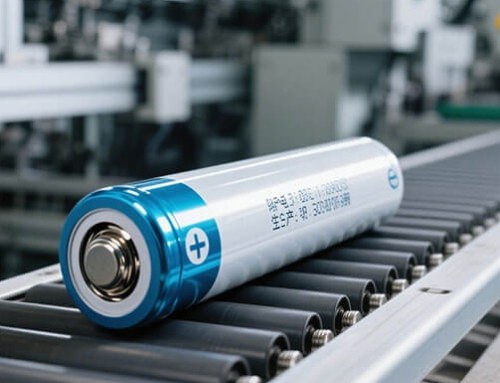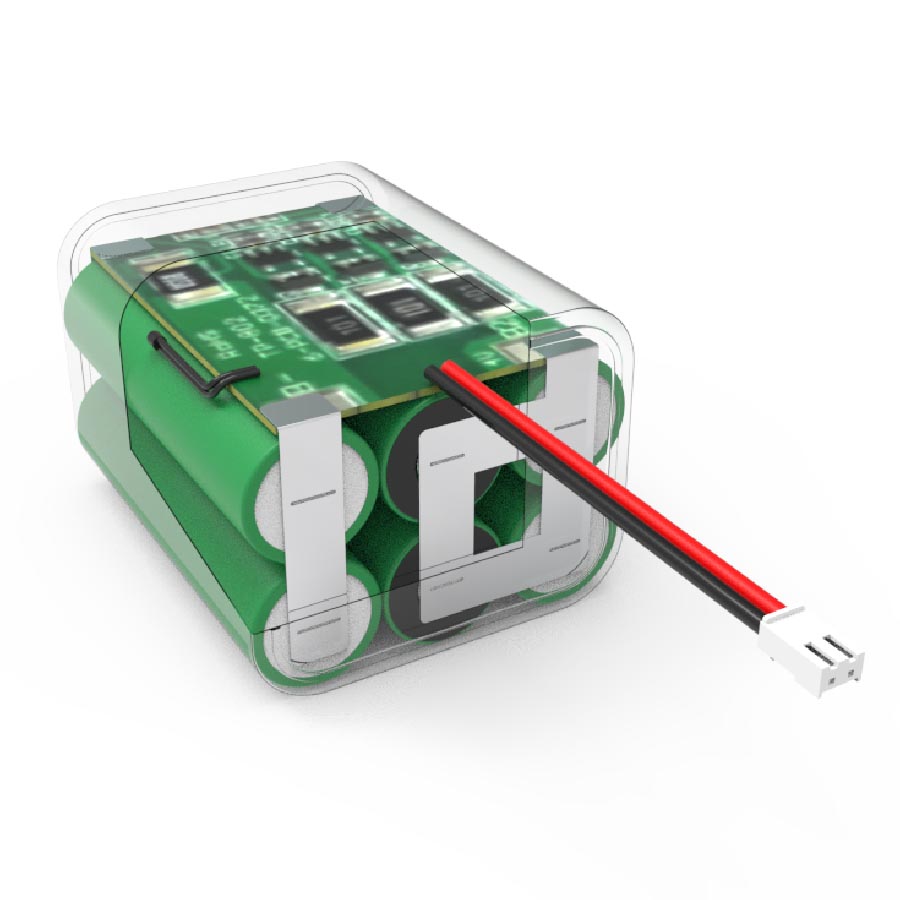
Thermal gradients and cell impedance mismatches in multi-cell energy storage systems directly degrade cycle life and trigger rapid thermal runaway under high-discharge conditions. Mitigating these fundamental failure modes dictates strict adherence to precise cell sorting, thermal interface material application, and electrical bonding protocols during the battery assembling phase. Efficient battery pack manufacturing ensures optimal performance, safety, and cost-effectiveness across industrial platforms. Implementing a rigorous manufacturing process ensures the reliability and longevity of systems ranging from consumer electronics to heavy-duty industrial electric vehicles.
[Key Takeaways]
-
Production Metrics: Achieving a production efficiency rate of 85% or higher and maintaining a defect rate below 2% requires automated testing and exact cell alignment.
-
Electrical Bonding: High-current capacity relies on precision spot welding of nickel strips to create low-resistance connections.
-
Thermal Management: Incorporating thermal interface materials and integrating a Battery Management System (BMS) prevents overheating and maximizes battery lifespan.
What Specific Equipment for Lithium Battery Assembly Dictates Joint Integrity?
High-current capacity and mechanical stability depend directly on the calibration of spot welding machines and internal resistance sorters.
Resistance Sorting Equipment for NMC and LFP Chemistries
Automated impedance sorters segregate cylindrical, prismatic, and pouch cells to ensure uniform internal resistance and capacity across the entire battery pack. The performance of a lithium-ion battery pack is fundamentally dependent on the consistency and quality of its constituent cells. Automated testing systems streamline this segregation process, enabling early defect detection and improving overall production efficiency. By testing cells for voltage, capacity, and internal resistance, engineers establish a uniform baseline before integration. The alternating current internal resistance is measured at 1 kHz to map the electrochemical impedance of the cell. Concurrently, the open-circuit voltage must be sorted with strict tolerances of ±0.005 V (5 mV) to prevent unbalanced voltage drift. These sorting algorithms apply equally to cylindrical cells utilized for durability and prismatic cells deployed for higher energy density. Strict sorting protocols eliminate outlier cells, establishing a balanced electrical foundation for the subsequent module array.
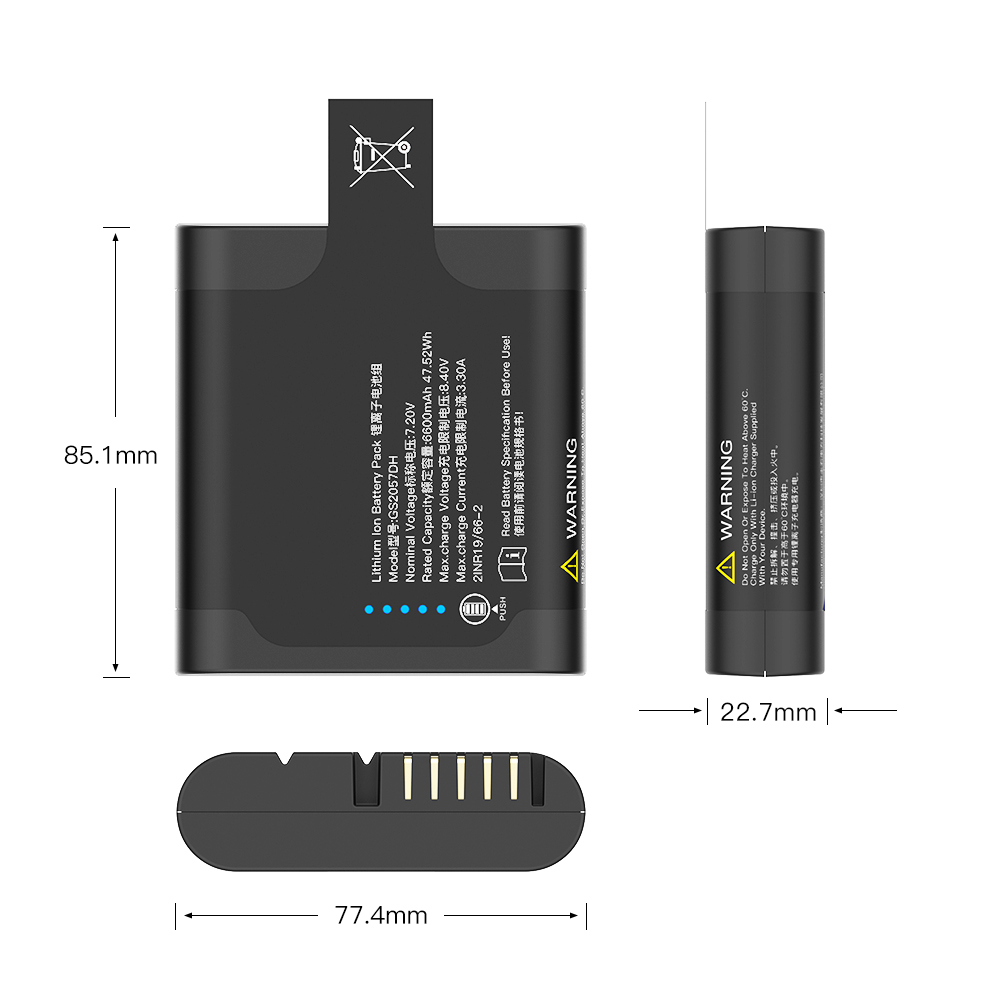
Spot Welding Systems for Pure Nickel Strip Connections
Precision spot welders dictate the continuous current-carrying capability of the pack by forming low-resistance metallurgical bonds between the cell terminals and the conductive busbars. Spot welding is the preferred connection method in battery pack assembly due to its precision and physical durability. Using pure nickel strips is critical for their excellent current-carrying capabilities; for example, a standard 0.2 mm x 8 mm (0.007 in x 0.31 in) nickel strip handles approximately 10A of current. Incorporating layers or utilizing a copper/nickel sandwich configuration supports significantly higher continuous currents, up to 90A or more.
| Component / Parameter | Material Specification | Current Capacity | Key Application Profile |
| Single Nickel Strip | 0.2 mm x 8 mm (0.007 in x 0.31 in) | ~10 Amps | Low-drain sensors, PLC memory backup |
| Multilayer Nickel | 0.4 mm (0.015 in) aggregate thickness | ~25 Amps | Portable medical testing devices |
| Copper/Nickel Sandwich | 0.2 mm Cu + 0.1 mm Ni (0.007 in + 0.003 in) | ≥ 90 Amps | Heavy-duty industrial robotics, EVs |
| Main Wire Harness | AWG 10 (5.26 mm² / 0.008 sq in) | Up to 140 Amps | Main power distribution lines |
Calibrated welding pressure and precise pulse duration ensure structural continuity and low electrical resistance without breaching the internal cell casing.
How Does Battery Module Assembly Influence Thermal and Electrical Safety?
Structural arrangements and isolation materials mitigate localized heat accumulation and prevent catastrophic short circuits across the cell matrix.
Series-Parallel Configurations and Capacity Scaling
Arranging cells in precise electrical topologies defines the absolute output voltage and the total operational capacity of the final battery assembly. The physical arrangement of cells determines these critical metrics; a series configuration directly increases system voltage while maintaining constant capacity, providing the higher power output suitable for motor drives. Conversely, a parallel configuration increases the total system capacity while maintaining constant voltage to significantly extend operational runtime. For highly specific B2B industrial requirements, engineering teams should evaluate Custom Solutions featuring specific cell matching and heavy-duty busbar architectures optimized for high-vibration applications. Engineering the optimal cell arrangement guarantees the power output matches the exact load demands and spatial constraints of the end-use industrial equipment.
Structural Isolation and Thermal Interface Integration
Applying high-grade insulation materials and thermal pads prevents internal electrical shorts and normalizes core temperatures during continuous heavy loads. Proper insulation is an absolute requirement to prevent short circuits in lithium-ion batteries; applying heat shrink tubing over exposed connections and securing heat-resistant Kapton tape around sensitive areas provides vital structural integrity. Thermal interface materials (TIMs), including thermal pads and specialized gels, improve heat dissipation by filling microscopic air gaps between internal cooling plates and the battery modules. These materials significantly enhance thermal conductivity, directly preventing the system from overheating during aggressive operation. Combining robust structural brackets with high-conductivity thermal interfaces sustains safe operating temperatures and ensures the mechanical stability of the entire matrix under mechanical stress.
What Battery Management System Protocols Optimize the Battery Assembling Workflow?
Integrating digital control boards equipped with state-of-charge tracking and hard thermal cutoff algorithms prevents the physical hardware from violating safe operational boundaries.
Active Balancing and State of Charge Algorithms
The Battery Management System (BMS) continuously redistributes internal energy, maintaining uniform degradation rates and maximizing the usable lifecycle of the battery. The BMS functions as the brain of the lithium-ion battery pack, monitoring voltage, current, and temperature to ensure safe operation. Active balancing actively transfers energy from higher-charged cells to lower-charged ones, promoting system efficiency, whereas passive balancing dissipates excess energy from high-voltage cells via bleed resistors.
| BMS Balancing Topology | Mechanism | Hardware Complexity | Total Cost of Ownership (TCO) Impact |
| Passive Balancing |
Bleeds excess energy as heat via resistors
|
Low | Cost-effective for standard cycle life applications |
| Active Balancing |
Transfers energy between cells via inductors/capacitors
|
High | Lower long-term replacement costs for high-value assets |
| SOH Monitoring |
Tracks internal resistance and capacity fade
|
Medium | Reduces unplanned equipment downtime |
| Thermal Runaway Logic |
Triggers physical contactor disconnects
|
High | Eliminates liability and catastrophic hardware loss |
For applications demanding high reliability, engineering procurement managers frequently require Custom Solutions that incorporate tailored BMS firmware, precision active balancing, and IP67-rated encapsulation to protect delicate electronics from environmental contamination. Utilizing intelligent balancing circuits maximizes the usable capacity of the battery pack across its entire lifecycle and minimizes premature cell degradation.
Quality Assurance and End-of-Line Testing Procedures
Comprehensive voltage, capacity, and thermal simulation tests validate the final assembly against the required engineering specifications before field deployment. Final testing forms a vital part of the battery manufacturing process; rigorous voltage and capacity tests validate the performance of the pack and ensure it fully meets all design specifications. Early defect detection embedded throughout the manufacturing stages prevents faulty hardware from reaching the industrial market. Leveraging robotic automation handles repetitive tasks like cell alignment and welding with unmatched accuracy, while automated data-driven monitoring systems provide real-time insights into process consistency. Rigorous quality assurance protocols ensure only defect-free, reliable power systems reach the final deployment stage, protecting both the end-user equipment and the manufacturer’s liability.