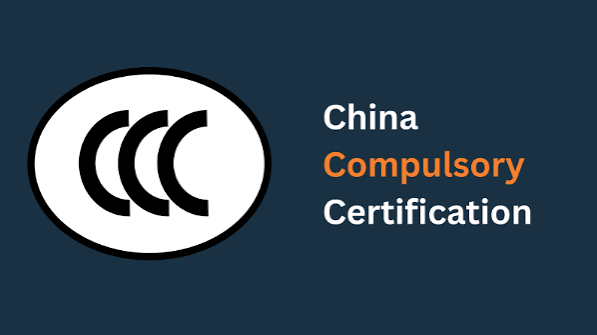
A battery supplier emails a crisp PDF showing a CCC certificate, and the purchase order is ready to sign. But 2025 taught procurement teams an expensive lesson: Chinese market regulators suspended or revoked the CCC certificates of several power bank and battery cell manufacturers, and airport security officers now check certificate numbers against the official CNCA database on the spot. A certificate image proves that a document exists — it does not prove the certificate is valid, current, or covers the battery pack on your purchase order. Verification takes about five minutes per supplier using public channels, and this guide walks through exactly how to do it.
Key Takeaways
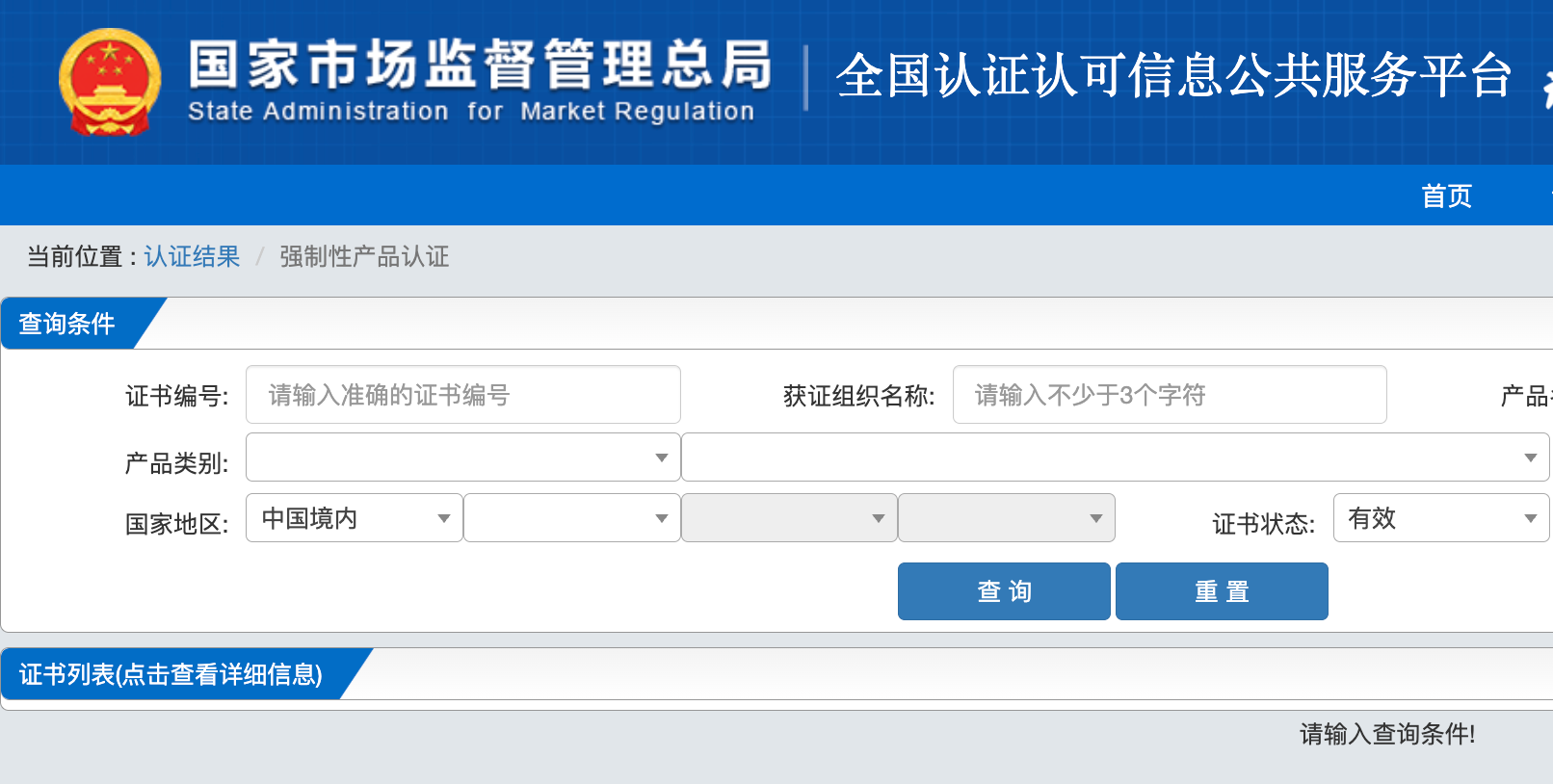
– Verify online, never from the PDF alone: every genuine CCC certificateis searchable on the National Certification and Accreditation Information Public Service Platform (cx.cnca.cn) and, since January 2024, carries a QR code on the electronic certificate.
– Match three things, not one: the certificate status must be “valid,” the applicant–manufacturer–factory identity chain must match your supplier, and the listed model and standards must match the battery pack you are buying.
– Verify twice: once when qualifying the supplier and again before shipment, because certificates can be suspended or revoked between the two dates.
Where Do You Verify a CCC Certificate Online?
The Official Verification Channels
Three official channels exist, and using any two of them gives a reliable cross-check:
|
Channel |
How to Use |
What It Shows |
|---|---|---|
|
National Certification and Accreditation Information Public Service Platform (cx.cnca.cn) |
Enter the certificate number or the certificate holder’s company name |
Certificate status, holder, manufacturer, factory, product scope, standards, validity dates |
|
Issuing certification body’s website (e.g., CQC at cqc.com.cn) |
Enter the certificate number in the body’s query portal |
Same records, plus suspension, revocation, and cancellation announcements with reasons and dates |
|
QR code on the certificate |
Scan with a phone; every electronic CCC certificate issued since January 1, 2024 carries a QR code at the lower left of the main page |
Direct link to the issuing body’s certificate record and current status |
A supplier that cannot provide a certificate number that resolves on these channels does not hold a verifiable CCC certificate. That single fact ends most due-diligence discussions.
How to Read the Certificate Status
The query result shows one of four statuses, and only one of them permits the use of the CCC mark:
- Valid (有效): the certificate is active and the certified product may carry the CCC mark.
- Suspended (暂停): certification is temporarily frozen — usually after a failed surveillance audit — and the holder may not use the certificate or mark until the certification body lifts the suspension. Suspended certificates that recover are restored without a new public announcement, so re-check before ordering.
- Revoked (撤销): the certificate has been withdrawn for cause; the product is uncertified.
- Cancelled (注销): the holder voluntarily terminated the certificate; the product is no longer certified.
Since June 2025, power banks without a valid CCC mark are confiscated at mainland Chinese airport security, and officers verify numbers against the CNCA database — a suspended certificate fails that check exactly like a fake one.
What Must Match Between the Certificate and Your Purchase Order?
The Identity Chain: Applicant, Manufacturer, Factory
Every CCC certificate lists three identity blocks: the applicant (the certificate holder), the manufacturer (the company responsible for the product), and the factory (the actual production site, with address). All three must tell a coherent story about your supply chain. If the factory on the certificate is not the factory producing your battery packs, the certificate does not cover your goods — this is the most commonly misused block, because it is the least commonly checked. Trading companies quoting a “partner factory’s certificate” fail this test unless the certificate’s factory block matches the actual production site.
Model, Specification, and Standards Match
The certificate’s product list must cover what you are buying, in detail:
- Model number: the exact model on your purchase order must appear on the certificate’s model list. A certificate covering GS2054DH does not certify GS2057HH.
- Electrical ratings: voltage, capacity, and configuration should match the product nameplate and datasheet.
- Standards editions: for lithium battery packs, the certificate should cite current editions — GB 31241-2022 and GB 4943.1-2022. A certificate citing superseded editions on a new issue date deserves scrutiny.
- Validity window: CCC certificates run five years; confirm the window covers your production and shipping dates, not just today’s date.
What Are the Red Flags of a Fake or Misused CCC Certificate?
Seven Warning Signs Buyers Should Not Ignore
|
Red Flag |
What It Usually Means |
|---|---|
|
Certificate number does not resolve on cx.cnca.cn |
Fake or fabricated document |
|
No QR code on a certificate issued after January 2024 |
Not the current electronic certificate format |
|
Factory block names a different company or address |
Borrowed certificate; your goods are uncovered |
|
Certified model differs from the quoted model |
Scope overstated |
|
Status shows suspended, revoked, or cancelled |
Mark cannot legally be used |
|
Certificate cites old GB standard editions |
Possibly outdated or recycled documentation |
|
Supplier claims “the whole device is CCC certified” when the certificate covers only the battery pack |
Scope overstated; the host device needs its own assessment |
One more check costs nothing: ask the supplier to confirm, in writing, which certification body issued the certificate, then verify the number on that body’s own portal as a second source. Legitimate manufacturers answer this question in minutes.
How Do You Build Verification Into the Purchasing Process?
A Two-Checkpoint Verification Workflow
Verification works best as a process step, not an afterthought:
|
Checkpoint |
When |
What to Do |
|---|---|---|
|
Supplier qualification |
Before issuing the purchase order |
Request the certificate file set (CCC, UN 38.3, IEC 62133, UL 2054 with file numbers); verify the CCC number on cx.cnca.cn and the issuing body’s portal; confirm the identity chain |
|
Pre-shipment |
Before goods leave the factory |
Re-check the certificate status (suspensions happen mid-program); inspect physical marking on samples — CCC mark legible on the product body, correct model on the nameplate |
Buyers sourcing certified battery packs for medical devices, test instruments, or industrial equipment can compress this workflow by working with manufacturers that publish verifiable certificate numbers upfront. TEFOO provides its complete certification file set — CCC certificates for covered models, UN 38.3 reports, IEC 62133 CB certificates, and the UL 2054 listing (File E531004), which is independently searchable in the UL Product iQ database — so procurement teams can run every check in this guide before the first sample ships.
Conclusion
Verifying a CCC certificate is a five-minute, zero-cost process: resolve the certificate number on the official CNCA platform, confirm the status is valid, match the identity chain and model list to your order, and re-check before shipment. The 2025 revocation wave and airport enforcement turned certificate verification from a formality into a standard procurement control — build it into your supplier qualification process, and fake or lapsed certificates stop being your problem.