Hospital field reports indicate that nearly 50% of equipment service calls and FDA-reported medical device failures stem from battery performance degradation and unmanaged power delivery. In mission-critical clinical environments—ranging from surgical power tools and portable ventilators to continuous infusion pumps and diagnostic monitors—selecting high-reliability batteries for medical devices requires rigorous alignment between cell chemistry, thermal stability, and battery management system (BMS) architectures. Ensuring uninterrupted operation and patient safety necessitates strict adherence to international electrical safety regulations, precise electrochemistry selection, and comprehensive lifecycle testing.
[Key Takeaways]
-
Regulatory Compliance: Secondary lithium-ion battery packs must strictly comply with IEC 62133, UL 2054, and ANSI/AAMI ES 60601-1 standards to prevent thermal runaway hazards and guarantee mechanical enclosure safety.
-
Chemistry Selection: Electrochemistry selection dictates performance trade-offs, ranging from high-cycle $\text{LiFePO}_4$ (2,000–5,000 cycles at 3.2 V) for heavy-duty hospital equipment to high-energy NMC (150–220 Wh/kg / 68–100 Wh/lb) for portable monitors.
-
BMS & Safety Integrity: Integrating multi-sensor BMS diagnostic telemetry with active cell balancing prevents unexpected power termination and extends total service life in critical electromedical devices.
What Safety and Regulatory Standards Dictate Batteries for Medical Devices?
Which International Standards Regulate Secondary Lithium Batteries for Medical Devices?
Secondary lithium-ion batteries for medical devices must fulfill IEC 62133 and UL 2054 safety certifications to guarantee electrical, mechanical, and thermal enclosure integrity under abusive fault conditions. Designing battery systems for Class II and Class III medical devices requires satisfying stringent testing protocols defined by international standards organizations.
-
IEC 62133-2 Certification: Mandates forced internal short-circuit testing, thermal abuse exposure at 130 °C (266 °F) for 10 minutes, and continuous overcharge evaluation to eliminate fire risks.
-
UL 2054 Safety Standard: Requires the battery enclosure to withstand a 250 N (56.2 lbf) steady force test, mold stress relief testing at 70 °C (158 °F), and abusive electrical overcharge without enclosure rupture.
-
ANSI/AAMI ES 60601-1 & ISO 13485: Governs basic safety and essential performance for medical electrical equipment, requiring complete traceability across the battery manufacturing process.
Compliance with these unified standards ensures that lithium battery packs maintain structural and electrical stability throughout clinical operations.
What Mandatory Environmental and Mechanical Stress Tests Apply to Medical Battery Packs?
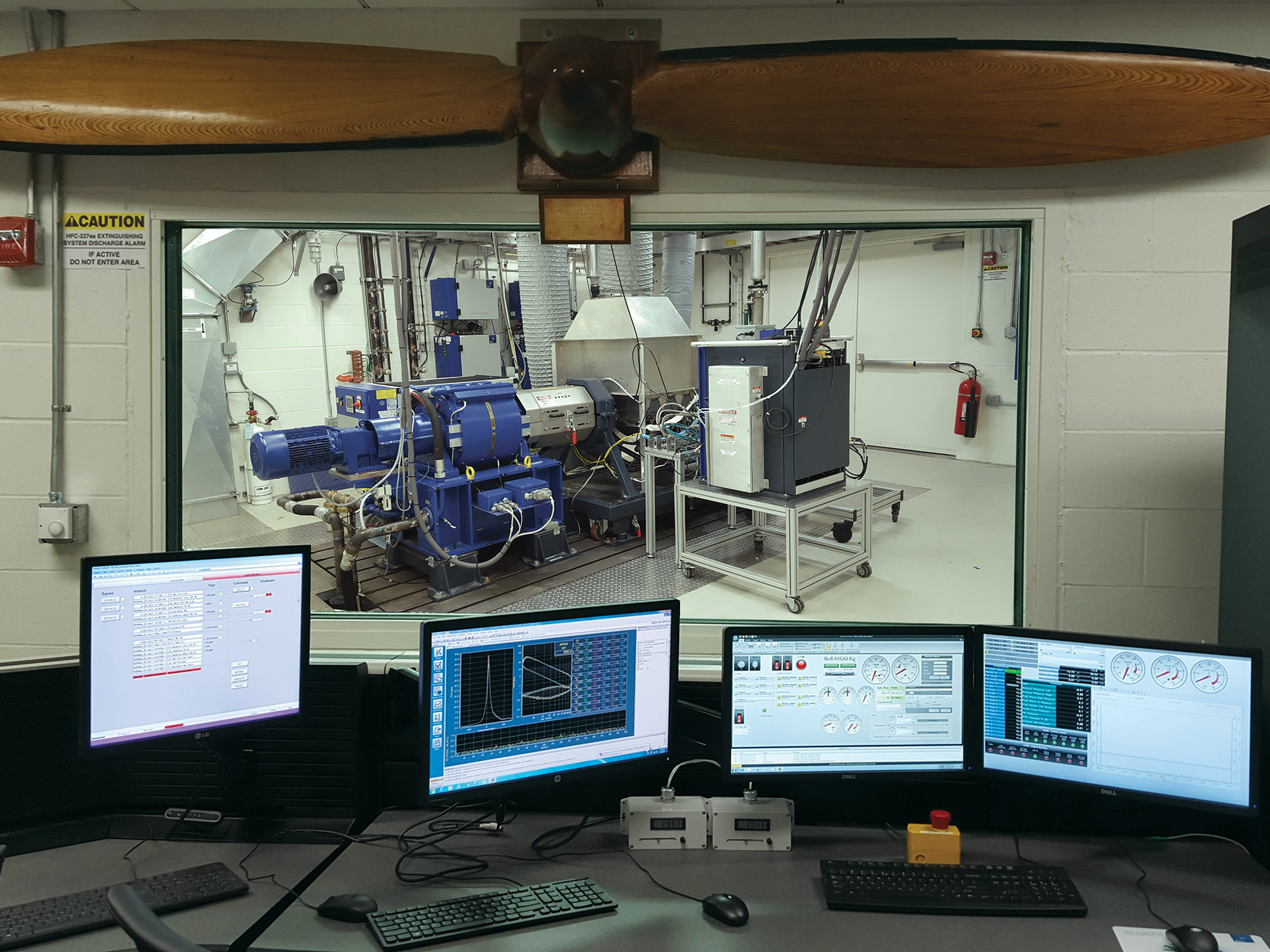
Mechanical crush, high-altitude pressure simulation, and environmental thermal cycling tests are mandatory to verify that medical battery enclosures withstand vibration, impact, and ambient pressure variations without venting or thermal runaway. Medical equipment installed in air ambulances or mobile field units experiences extreme physical stress that can compromise internal cell structures.
-
Mechanical Crush and Drop Testing: Subjects battery packs to a 13 kN (2,922 lbf) crush force across X, Y, and Z axes and multiple 1.0 m (3.28 ft) drop impacts onto concrete to evaluate mechanical casing rigidity.
-
Thermal Cycling and Altitude Simulation: Cycles fully charged battery packs between -20 °C (-4 °F) and 60 °C (140 °F) while maintaining a low-pressure environment of 11.6 kPa (1.68 psi) to verify seal integrity.
-
Abusive Overcharge and Forced Discharge: Forces high current loads through the pack to verify that secondary hardware thermal cutoffs and internal circuit protection components isolate the cell matrix.
Passing comprehensive environmental and mechanical stress protocols prevents unexpected field failures in demanding hospital environments.
How Do Battery Chemistries Compare in Medical Device Applications?
What Are the Electro-Chemical Performance Metrics of Secondary Lithium Chemistries?
Lithium Iron Phosphate ($\text{LiFePO}_4$) provides superior cycle life (2,000–5,000 cycles) and intrinsic thermal stability, while Nickel Manganese Cobalt (NMC) delivers higher gravimetric energy density (150–220 Wh/kg / 68–100 Wh/lb) for compact portable monitors. Selecting the optimal secondary electrochemistry requires balancing volumetric energy density against operational thermal thresholds and total cycle longevity.
| Battery Chemistry | Platform Voltage (V) | Gravimetric Energy Density | Volumetric Energy Density | Cycle Life (80% DoD) | Thermal Runaway Threshold | Primary Application Profile |
| Lithium Iron Phosphate ($\text{LiFePO}_4$) | 3.2 V | 90–160 Wh/kg (41–73 Wh/lb) | 220–330 Wh/L (13.4–20.1 $\text{Wh/in}^3$) | 2,000–5,000 cycles | ~270 °C (518 °F) |
Mobile medical carts, defibrillators, oxygen concentrators
|
| Nickel Manganese Cobalt (NMC) | 3.6 V | 150–220 Wh/kg (68–100 Wh/lb) | 350–500 Wh/L (21.3–30.5 $\text{Wh/in}^3$) | 1,000–2,000 cycles | ~210 °C (410 °F) |
Portable patient monitors, infusion pumps
|
| Lithium Cobalt Oxide (LCO) | 3.7 V | 150–200 Wh/kg (68–91 Wh/lb) | 300–450 Wh/L (18.3–27.4 $\text{Wh/in}^3$) | 500–1,000 cycles | ~150 °C (302 °F) |
Handheld surgical tools, compact diagnostic readers
|
| Lithium Titanate (LTO) | 2.4 V | 70–80 Wh/kg (32–36 Wh/lb) | 140–180 Wh/L (8.5–11.0 $\text{Wh/in}^3$) | 7,000–10,000 cycles | ~300 °C (572 °F) |
Fast-charge emergency transport equipment
|
| Primary Lithium Metal | 3.6 V | 400–500 Wh/kg (181–227 Wh/lb) | 700–900 Wh/L (42.7–54.9 $\text{Wh/in}^3$) | Single-use (N/A) | ~180 °C (356 °F) |
Cardiac pacemakers, neurostimulators
|
Matching the exact electrochemical profile to the device duty cycle optimizes system weight, operational runtime, and long-term service life.
When Are Primary Lithium and Specialized Chemistries Required for Medical Devices?
Primary lithium metal batteries provide exceptional gravimetric energy density (400–500 Wh/kg / 181–227 Wh/lb) and ultra-low self-discharge rates, making them mandatory for non-rechargeable surgical apparatus and long-term implantable devices like cardiac pacemakers. Implantable and wearable medical electronics operate under tight volumetric constraints where secondary charging is either impractical or introduces patient risk.
-
Primary Lithium Metal Anodes ($3.6\text{ V}$): Supports continuous low-microamp loads in cardiac pacemakers ($10\text{–}100\text{ }\mu\text{W}$ power draw) over a 10-year operational service life without requiring external charging.
-
Silver Oxide Cells ($1.55\text{ V}$): Delivers a flat discharge voltage curve and high volumetric stability for miniaturized hearing aids and continuous glucose monitors.
-
Biocompatible Encapsulation: Utilizes titanium laser-welded housings and hermetic glass-to-metal seals to isolate reactive chemical species from human tissue per ISO 10993 standards.
Primary chemistry selection remains critical for zero-maintenance medical equipment where secondary charging is physically impossible or operationally impractical.
How Do Medical Equipment Operating Profiles Determine Battery Selection?
What Battery Specifications Are Required for Emergency Ventilators and Infusion Pumps?
Emergency life-support equipment requires battery packs with high pulse-current discharge capabilities, fast recharge rates, and integrated BMS telemetry to guarantee zero power interruption during patient transport. Infusion pumps and portable ventilators must deliver uninterrupted operation when transitioning from AC wall power to internal battery power.
-
Continuous and Peak Pulse Load Matching: Battery arrays must support steady DC discharge while accommodating peak current surges during pump motor actuation without experiencing voltage sag.
-
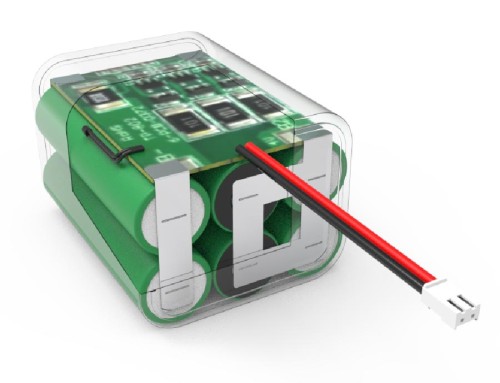
BMS Telemetry via SMBus / I²C Protocols: Transmits real-time State of Charge (SOC), State of Health (SOH), and temperature data to host device processors to prevent unexpected shutdown.
-
Redundant Overcurrent Protection: Integrates secondary thermal fuses and low-impedance MOSFET cutoffs to isolate electrical shorts within microsecond response windows.
B2B Engineering Conversion CTA: For OEMs designing critical life-support apparatus, specifying customized battery pack solutions with tailored BMS firmware, custom wiring harnesses, and IP67-rated water-resistant encapsulation ensures uninterrupted operational readiness under emergency transport conditions.
Integrating smart BMS protocols with robust lithium cell arrays prevents power loss in emergency life-support apparatus.
How Does Total Cost of Ownership Influence B2B Medical Battery Procurement?
Transitioning from legacy Sealed Lead-Acid (SLA) or Nickel-Metal Hydride (NiMH) batteries to custom $\text{LiFePO}_4$ or NMC battery packs reduces long-term operating costs by over 50% through extended cycle life and reduced maintenance downtime. B2B procurement managers must evaluate initial capital expenditure against long-term maintenance costs and service call frequencies.
| Selection Parameter | Sealed Lead-Acid (SLA) | Nickel-Metal Hydride (NiMH) | Custom LiFePO4 Pack | Custom NMC Lithium Pack |
| Initial CapEx Baseline | Low ($1.0\times$) | Moderate ($1.5\times$) | Higher ($2.2\times$) | Higher ($2.4\times$) |
| Operational Cycle Life |
300–500 cycles
|
500–1,000 cycles
|
2,000–5,000 cycles
|
1,000–2,000 cycles
|
| Gravimetric Efficiency | 30–50 Wh/kg (14–23 Wh/lb) | 60–120 Wh/kg (27–54 Wh/lb) |
90–160 Wh/kg (41–73 Wh/lb)
|
150–220 Wh/kg (68–100 Wh/lb)
|
| Routine Maintenance |
High (Frequent replacement)
|
Moderate (Self-discharge management) | Zero routine cell maintenance | Zero routine cell maintenance |
| 5-Year TCO Impact |
High (3–4 pack replacements)
|
Moderate (2 pack replacements) |
Lowest (Single pack life)
|
Low (Single pack life)
|
B2B Procurement Guidance CTA: Medical device procurement managers evaluating long-term equipment lifecycle costs should leverage customized battery pack solutions to optimize cell configuration, lower maintenance service calls, and achieve compliance with FDA Class II/III medical regulations.
Analyzing initial procurement expense alongside cycle life metrics demonstrates that custom lithium battery architectures provide superior economic and operational value for B2B medical equipment.