This article details the correct charging methods for 18650 lithium batteries—including high-voltage, constant-voltage, constant-current, and smart charging—as well as techniques for repairing aging batteries, such as activation, surface cleaning, low-temperature treatment, and deep discharge. It also explores ways to extend battery lifespan through proper maintenance and performance restoration.
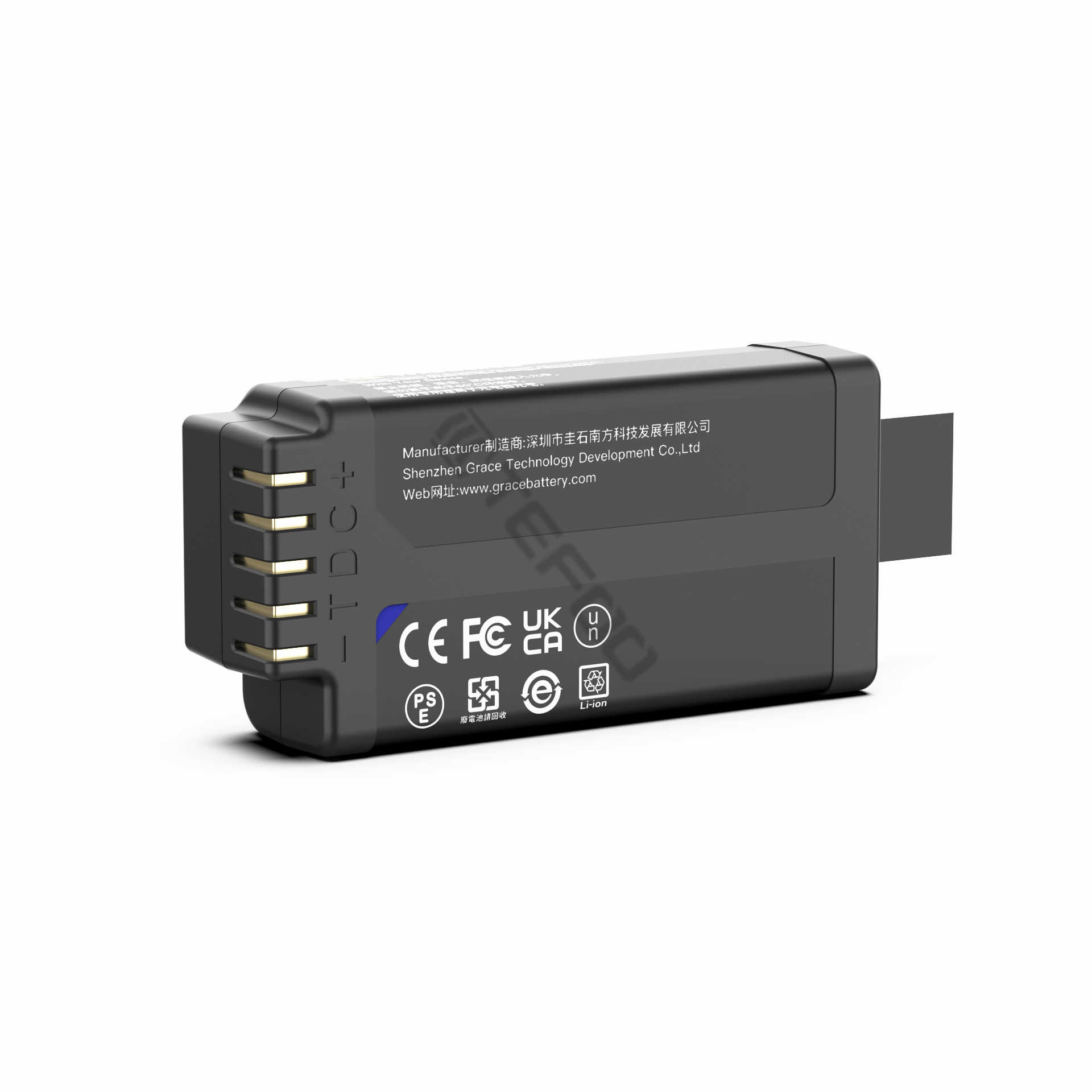
Introduction: The 18650 lithium battery is a standard lithium-ion battery model originally established by Sony to reduce costs. The designation “18650” indicates a diameter of 18mm, a length of 65mm, and a cylindrical shape.
The 18650 lithium battery is a standard lithium-ion battery model originally established by Sony to reduce costs. The designation “18650” indicates a diameter of 18mm, a length of 65mm, and a cylindrical shape. Below, we detail the correct charging and repair methods for 18650 lithium batteries.
Correct Charging Methods for 18650 Lithium Batteries
High-voltage charging
This method lacks a dedicated control circuit; instead, a 5V power adapter charges the battery (which must have a protection board) directly, relying entirely on the protection board’s high-voltage cutoff. It is characterized by high initial current that gradually decreases, followed by continuous trickle charging. Most battery explosions occur with this type of charger, commonly found in low-end devices like card-based MP3 players. (I cannot speak for high-end devices—which I cannot afford and am unfamiliar with—regarding whether they *should* have proper charging circuits; while many things *should* happen, even more things that *should* be done are left undone.)
Constant-voltage charging
This method is similar to the previous one. “Constant voltage” is essentially voltage-limited charging: a precise maximum voltage is set, and the charger relentlessly pushes power toward that limit, refusing to stop until 4.2V is reached. In the industry, this is known as “dumb charging.” If the cutoff voltage is set precisely—or even slightly lower for safety—it is acceptable; however, if it is set too high, the system relies on the battery’s protection board. As for “naked” cells (batteries without protection boards), you are on your own. Commonly found in universal mobile phone chargers and direct-plug flashlights, these chargers cost less than one yuan to produce and are assembled entirely from substandard components; while retail prices on platforms like Taobao range from 2.00 to 15.00 yuan, their longevity is unpredictable.
Constant-current charging
This method derives from the circuits mentioned previously but adds a limit to the maximum charging current. “Constant current/constant voltage” is essentially “current-limited/voltage-limited” charging—a “child” of the “dumb charger” that is itself still “dumb.” This type of circuit is popular in products from brands like Nanfu and Hexinyu; they do not cut off completely when fully charged but switch to a trickle charge (float charge)—a practice now believed to be a cause of swelling in 18650 lithium batteries due to prolonged low-current charging.
Smart charging
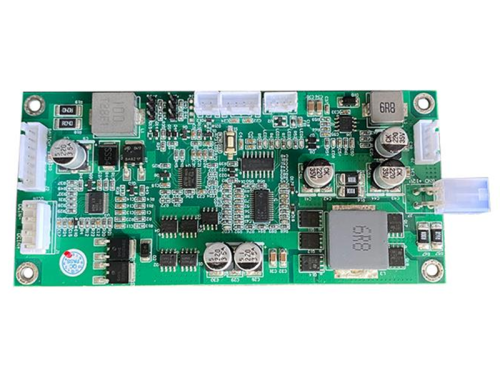
Currently considered the ideal charging management method, it follows the charging algorithm outlined at the beginning of this section. Integrated into a tiny surface-mount IC with simple peripheral circuitry, it offers stability and reliability (examples include the TP4054/4055/4056/4057, TP4002/5000, and MAX1879 series). A key feature of these chips is that they monitor both voltage and current to determine the charge status, stopping the charge when the voltage reaches 4.2V or the current drops below 0.01C (typically around 50mA). They cut off completely upon full charge—eliminating trickle charging—but continuously monitor the voltage, resuming the charge if the 18650 battery voltage drops to a certain threshold.
When using 18650 lithium-ion batteries, note that they enter a dormant state after sitting unused for a period; during this time, their capacity drops below normal levels, resulting in shorter usage times. However, these batteries are easily reactivated—simply undergoing three to five normal charge-discharge cycles restores them to full capacity. Due to their inherent characteristics, lithium-ion batteries have virtually no “memory effect.” Consequently, no special methods or equipment are required to activate a new lithium-ion battery in your phone.
No special activation procedure is needed; the battery will activate naturally through normal use. Even if you insist on using the widely circulated method of charging the battery for 12 hours during the first three cycles, it will not actually be effective.
Methods for Reviving 18650 Lithium-Ion Batteries
1. After prolonged use, the metal contacts of a lithium-ion battery may oxidize, leading to poor contact with the device and reduced battery life. Using an eraser or other cleaning tool to remove this oxidation layer can improve the contact between the battery and the device.
2. Low temperatures alter the electrolyte inside the 18650 battery and influence the chemical reactions within a battery that has just been frozen. The operation of a lithium-ion battery involves a cycle of charging and discharging, during which positive and negative charges collide within the battery. Batteries often lose longevity because, at normal room temperatures, high internal electron kinetic energy keeps the battery in an active state, leading to relatively frequent leakage. Placing the battery in a low-temperature environment significantly alters the microstructure of the lithium film on the battery’s surface, the electrolyte, and the interface between them; this temporarily reduces internal activity and leakage current. Consequently, the device’s standby time increases after the battery is recharged.
3. Deep discharging—depleting the battery’s internal energy to allow for a more thorough recharge—requires unconventional methods. One approach is to connect the phone to a small 1.5V light bulb, allowing the 18650 battery to discharge its energy into the bulb until it is completely drained.
(1) Fully deplete your 18650 lithium battery and remove it. Subject it to temperature cycling; since the battery is drained and a significant portion of the lithium ions may be affected by the “memory effect,” this method helps release some of that accumulated charge. For instance, you can place the battery outdoors for a short while during winter and then bring it back inside.
(2) Another method involves removing the battery and letting it sit for about a week to allow the charge to dissipate slowly. First, use the device to completely drain the battery. Then, perform a full charge cycle. You will likely notice that the initial charging time is quite short; disconnect the charger and charge it again—repeating this process a few times is highly effective.
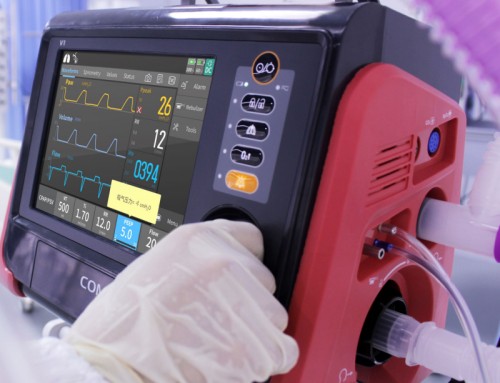
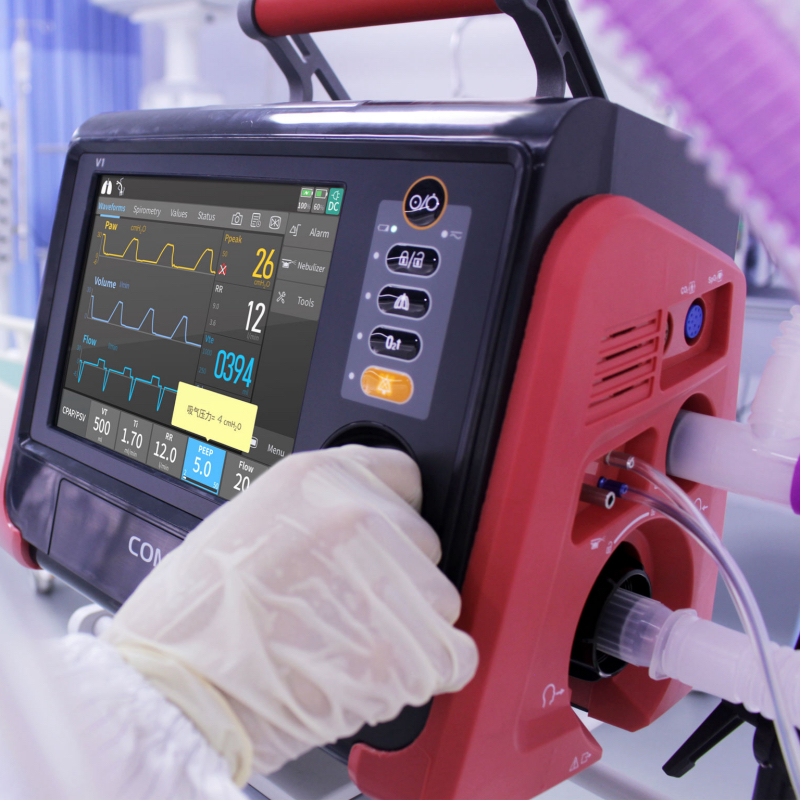
Due to their high energy density, 18650 batteries are commonly used in laptop battery packs. Furthermore, thanks to their excellent operational stability, they are widely utilized across various electronics sectors, including high-end high-intensity flashlights, power banks, portable instruments, portable lighting equipment, portable printers, industrial equipment, and medical devices.